Infographics are a great way to get your information out to the public. It’s an affordable and effective way of getting your information out there for the world to see.
The infographic submission process is not as complicated as it may seem. All you need is a good idea, some time, and a little bit of luck when submitting your infographic.
The first thing to do is to find out what the requirements are. Are they looking for a specific size, or is there a template that you need to follow? Once you know this, it’s time to design your infographic.
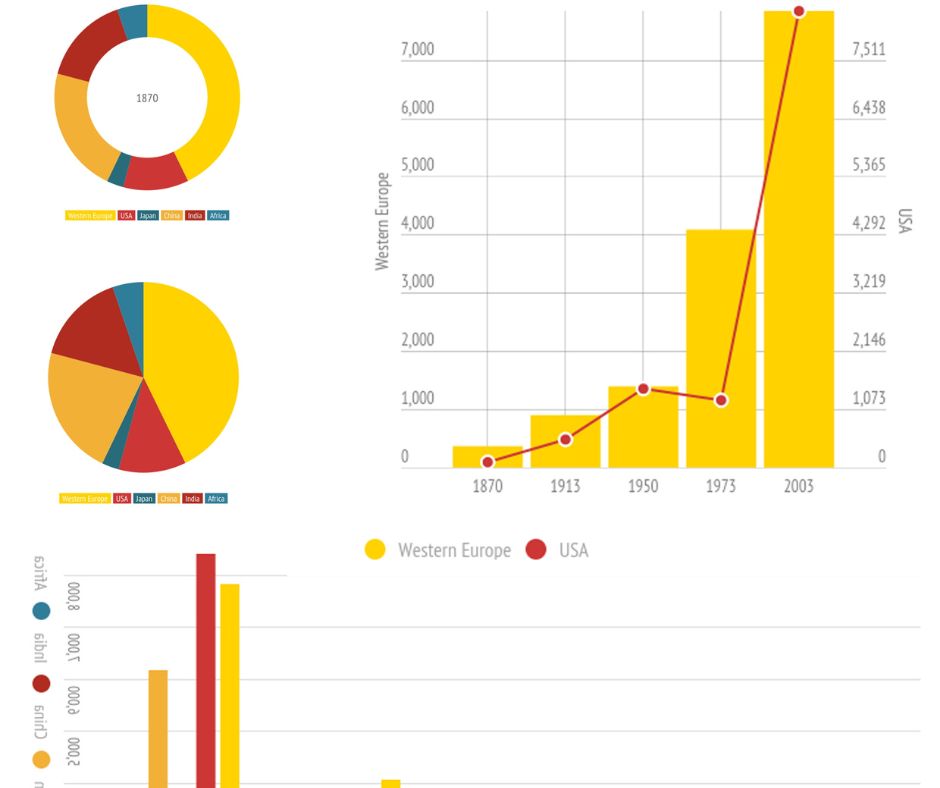
There are many different types of infographics, so it’s important to select the one that will best represent your content. You may be better off with a pie chart if your data is numerical and has clear percentages, or an interactive map if you want people to click on specific areas of the map and see more information about each location.
An infographic submission is a great way to get your content in front of a new audience. It’s also an excellent way to give your website or blog some love from Google. and other social networks.Your infographic should be between 1 and 2 minutes long, with at least 2 sources included in it. The blog we want you to submit to is the Huffington Post’s Blogger platform.
You can use the infographic submission service to submit your infographics and other visual content to various websites and blogs. The service will post your content on sites that are related to the topic of your infographic, which means you’ll get more traffic and better rankings in Google.
An infographic is a powerful tool for marketing. It can be the best way to create a real emotional connection with your audience.
In this section, we will take a look at how to do infographic submission in SEO and how it can help you achieve better rankings and traffic.
Infographics are visual representations of information, data or knowledge intended to present complex information quickly and clearly. They are becoming increasingly popular in the world of marketing because they offer so many benefits.
For SEO purposes, submitting infographics to relevant directories can be a great way to get more links and traffic. Infographics are not just for SEO purposes. They can also be used for marketing, branding, and content marketing. There are a lot of ways that you can submit your infographic – including submitting it to directories like Reddit or Dribbble. The infographic submission process is pretty simple: find the right directory, create an account if you don’t have one already, upload your infographic file and provide the necessary information about it.
How to do Infographic Submission in SEO
Infographics are a great way to increase your site’s visibility. They are also a great way to get your message across in an engaging and exciting way. The infographic should be visually appealing and have the right content. It should also have the right keywords and tags so that it can rank well on search engines. Infographics that are submitted to directories like Pinterest, Reddit, or Digg will be more successful than those submitted to less popular sites.
Infographics are a powerful marketing tool that can be used to help increase traffic and generate leads.
Infographics are a powerful marketing tool that can be used to help increase traffic and generate leads. This is because they are visual and people learn better when they see the information in front of them. It also helps with SEO because infographics rank higher on Google search engine results pages than other types of content.
There are many ways to create an infographic, but we recommend using one of the following: Canva, Piktochart, Venngage, or Visual.ly
Infographics are a great way to attract organic traffic and links, as well as drive conversions.
The power of infographics is that they provide an easy-to-digest visual representation of data that people can easily share on social media.
Infographics also rank better in search engine results pages (SERPs) than other types of content.
Infographic submission is a common SEO strategy. This article will explore the benefits of infographic submission in SEO and how to submit infographics to different sites.
The infographic submission process can be broken down into the following steps: – Researching the best sites for infographic submissions – Submitting infographics to these sites – Keeping track of where you have submitted your infographics in order to analyze the best prospects- Researching the best sites for infographic submissionsThe editors of Dribbble and Behance are considered to be good places for graphic designers to submit infographics. These websites tend to show infographics submitted by other designers, meaning that your chances of having your infographic published have a high chance of success. For an infographic submission process, this is a good place to start.- Submitting infographics to these sites Once you submit your infographic to a site, you can expect to receive an email back within 24 hours with the answer. Tiny Engines- This is a great resource for getting your infographic seen on the web.
Forum posting is a very common way to increase website traffic. It is a way to get one’s site ranked higher on search engines, and also helps in building links to the site.
This method has been used for many years and continues to be an effective way of generating traffic. It is a simple process that anyone can do from their home computer.
The key to success with this method is understanding what the forums are about, and then posting relevant content that will be of interest to the forum users. This will garner more responses, which will result in more links being generated for your website.
The use of forums has been around for a long time. They are often used by SEOs to get backlinks to their site and also to promote their content. Forum posting is one of the most effective ways to get backlinks and improve your search engine rankings.
There are two types of forum posting that an SEO can do:
– Regular forum posts which can be done on any forum that you want, but it will take a lot of time and effort.
– Signature posts which are posted on specific forums or threads where you have already established yourself as an expert in the field. This type of post is much easier than regular forum posting because it doesn’t require as much effort, but it takes more time because you need to find the right thread or thread where your signature post will be relevant.
Forum posting is an extremely effective SEO strategy. It helps to rank your website or blog post higher in the search engine results pages because forums are a great place for backlinks. . Forum posting is also a great place to start making connections in the community.There are many benefits to forum posting, but if you don’t have time to maintain a blog or website, another effective way of using forums as part of your marketing strategy is by using software like TubeBuddy. TubeBuddy is an easy-to-use plugin for WordPress that lets you embed videos from YouTube into your blog posts. You can also upload your own video links in order to make the embeds a seamless experience.Vimeo Video EmbedVimeo offers a variety of embed options for its videos, like the “player” option (which lets you choose which size you want to use for your video), as well as an “embed code” that shows up in an article and can be placed anywhere on your site. Vimeo also has its own player so you can include it with other posts on your website. This allows Vimeo to embed your videos as a social media post.
A forum is a community of people who discuss topics related to their interests, hobbies, and professions. The most popular type of forum is the internet forum which allows people from around the world to participate in discussions on any topic.
Forum Posting in SEO
Forum posting is an effective SEO strategy because it helps generate backlinks and traffic that can lead to increased rankings on search engines such as Google and Bing. .Forum posting is effective because it produces a backlink. However, depending on the type of forum, this backlink may not be as “durable” or as secure as a website’s canonical link. Search engines can detect spammy or low-quality forum posts and penalize for them. If the post receives a significant amount of upvotes and replies, search engines may also consider it to be spammy or low quality on its own terms.
Forum posting is a type of link building that has been around for many years. The goal of this strategy is to increase the domain authority of the website by posting on forums and making a backlink to the website.
There are two types of forum posting: manually and automatically. Manual posts require more time because it is done through a browser. Automatic posts are done through software that can post on many forums at once, but it requires an investment in time and money.
In order to make sure that the forum post will be successful, there are some things that need to be considered beforehand: what type of forum should be posted in, how often should posts be made, what kind of content should be used for posts, and how long should each post be?
Forum Posting is an online marketing strategy that can be used to promote your content, drive traffic to your website, and generate links.
Posting on forums is a great way of generating more links and traffic. When you post on forums, you are not only reaching out to the target audience but also getting quality backlinks which can help rank your website in search engine results pages (SERPS). People who are interested in the topic will visit your site and some of them might even buy your product or service.
Forum posting is a powerful and often overlooked SEO technique. It’s an easy way to build links, increase your site’s domain authority, and generate traffic from relevant sources.
However, it’s not as easy as it sounds. It takes time to find the right forum for your topic, find the right threads for your post, and then create that post.
Luckily there are tools that can help you out with all of these tasks! I’ll give you a quick rundown of some of the best ones I’ve found so far.
How to Do Forum Posting?
Forum posting is one of the most important activities for SEO. It can not only help you rank higher on Google but also increase your social media presence.
The best way to do forum posting is to use a proper forum posting service that can help you with all the technicalities and save a lot of your time.Some companies use them when they need to generate content for a specific topic or niche. While digital agencies use them to generate all kinds of content for their clients.
Forum posting is a great way to promote your product or service. It also helps you get feedback on your product/service.
To do forum posting, you need to find forums related to the topic of your business and then post on them. You can also take a look at the threads that are already there and post in those threads to provide value.
There are many benefits of forum posting: it helps you build relationships with people who share the same interests as you, it provides valuable feedback for your product/service, and it will help you create content for your website or blog.
Forum posting is the act of posting messages on online discussion boards and other types of forums. It’s a great way to get your message out there, and it’s a good way to build credibility.
There are many ways to do forum posting. The first step is to find the right forum for your topic. You can use search engines or directories like DMOZ to find forums on topics that interest you. You can also ask around at work or among friends for suggestions about what types of forums might be relevant for your interests.
Once you’ve found a few forums that seem appropriate, read their rules carefully before you post anything so you know what they will allow and not allow in terms of content, language, links, etc. .Once you’ve done your research, post and comment on the forums in a civil manner. You may want to write a blog post about your experience with online communities to share with other people who are looking for advice, or even start a new community just for people facing similar issues.
A forum submission site list is a list of forums that you can submit your content to. The goal of these sites is to help you get more exposure and traffic from different sites.
Below are some of the most popular forum submission sites:
A forum is a discussion website where you can post messages and have discussions with other people.
The best forum submission sites will help you to find the most active forums, as well as provide you with the tools to find new forums that are relevant to your niche.
There are many benefits of using a forum submission site, including: – Finding relevant forums for your niche – Finding threads that have recently been posted – Finding threads with high number of views and replies – Improving search engine rankings – Being able to reach a wider audience- Attracting visitors to your websiteMany forum submission sites have the option of making a blog and sharing your content with their subscribers.Some forum submission sites are free, while others charge for membership. Some allow you to create multiple accounts, while others limit you to one account. Some of them also contain features which promote social media sharing, such as Pinterest-style pin boards for images or videos and embedding codes for Facebook and Twitter.
Informational keywords are words that people search for when they want to learn more about a topic. They are usually found in the title of articles and posts. Informational keywords can be found in the title of an article or post. Informational keywords can be found on the first page of an article or post. The first sentence of an article might contain informational keywords.
Informational keywords are words or phrases that are used to find information on the internet. They can be divided into two groups:
– Keywords that have a specific meaning and can be found in the title of an article, such as “How to lose weight”
– Keywords that do not have a specific meaning and can only be found in the text of an article, such as “lose weight”.
Informational keywords are words that are used to describe the subject of a document.
Informational keywords can be found in the title, headings, and body paragraphs of a document. They should be used as an adjective or adverb to describe the content of the document. Informational keywords are also called nouns or adjectives and they are not verbs.
These keywords should be placed at the front of a sentence when they’re a part of it and in parentheses when they’re not. For example, “This is an informative article about (informational keywords).”
Informational keywords are words and phrases that are used to find information on the internet.
Informational keywords can be found in a number of different places. They can be found in the meta keywords section of your website’s code, which is usually hidden from public view. They can also be found in the page content itself, which is usually visible to visitors. There are third party tools that provide lists of informational keywords for a given topic or site.
Informational keywords are an important part of SEO because they help search engine crawlers find your pages and rank them higher when people search for these terms on Google or other search engines.
Informational keywords are keywords that are used to find information about a topic.
The purpose of informational keywords is to help people find content that is relevant to their interests. The most common type of informational keyword is the noun, which can be anything from “car” to “chocolate.” These types of words are often found in both the title and the body of a document.
Informational keywords are the words that people type into search engines to find information.
Informational keywords are the words that people type into search engines to find information. These keywords include “how to,” “what is,” and “definition of.” These are the words people use when they want to know more about a topic. They are also called informational queries because they provide information about a topic, rather than content on a topic.
Informational keywords are words that are used to describe the topic of a given piece of content. These keywords are usually found in the title, headings, and subheadings.
The keywords should be relevant to what you’re writing about and easy for people to understand. They should also be related to your business or industry so that you can attract more customers and readers.
Informational keywords are keywords that are used to find information.
Informational keywords are words that people would use to find information. It is a broad category of keywords and can include words like “how to,” “what is,” and “why.”
Informational keywords are the words and phrases that are used to find information on the internet.
The most common informational keywords are: “how to”, “what is”, “when is”, “where is”. These words provide a general overview of what the user wants to know.
When choosing informational keywords, it’s important to choose ones that will be popular in your content’s niche. If you’re writing a blog post about how to make a cake, you might use keywords like “how to make a cake” or “cake recipes”.
How to use Informational Keywords?
What are Informational Keywords?
Informational keywords are words that describe a piece of content and help the search engine to categorize it. They are different from navigational keywords, which help users find the content.
Informational keywords are important for SEO because they provide context to search engines about what your content is about.
The article provides an example of how a company might use informational keywords on their blog posts:
– “How do I get started with SEO?”
– “What is SEO?”
– “What is link building?”
The following is a list of informational keywords that can help you with your research.
– What are the benefits of using Informational Keywords?
– How can I find them?
– What are the best practices for using Informational Keywords?
– How do I know if I am using them correctly?
Informational keywords are keywords that provide information about a topic. They are usually used as a starting point for research.
Informational keywords are also called “descriptive keywords” or “informative keywords.” They often describe the content of the document, such as its purpose, subject matter, or audience.
There is no set way to use informational keywords. It is up to the writer to decide which words will best describe the content of their document and how many words they want to use. .If there is a particular word or phrase that is not listed as an informational keyword, it means that the word or phrase has no bearing on the content of the document.
A great way to find informational keywords is to do research on what people are looking for in your niche. You can also use tools such as Google Keyword Planner, SEMrush, and SpyFu to find popular keywords in your industry.
The key to using informational keywords is to make sure that you have a mix of them throughout your content. That way, you will be able to rank for all types of informational searches and not just one type.
Informational keywords are words or phrases that help internet users find the content they are looking for. They can also be used to rank higher in search engine results pages.
The most common way to use informational keywords is by including them in the title of your article. This will help you rank higher on search engine results pages and make it easier for people to find your content.
Page Authority (PA) is a number assigned to each page on the Google search engine. It is an indication of how well that page will rank in Google’s search results for certain keyword phrases.
Google assigns a PA score to each page of the web, which helps determine how high it will rank on their search engine. The higher the PA, the more likely it is that the page will rank highly in Google’s search results for certain keywords and phrases.
Page Authority is a metric developed by Moz, which measures how well a website performs in Google search results.
The PA score ranges from one to 100. The higher the score, the better the website ranks.
Page Authority is a metric developed by Moz that is used to measure the quality of a page. It’s a score between 1-100, with 100 being the best. The higher the page authority, the more likely it will rank on Google’s first page.
What are Page Authority (PA) and Domain Authority (DA) – Fully Explained
PA is calculated using various factors including domain age, total backlinks, and number of linking root domains.
Moz has also developed Domain Authority which measures a domain’s overall authority on the web and PageRank which measures how well linked a page is within its own site.
Page Authority is a measure of a page’s ranking potential. It is calculated by multiplying the total number of links to the page by the average link value. PA is also a measure of how difficult it will be for another site to outrank your site on Google’s search results pages. The higher the PA, the more difficult it will be for other websites to rank higher than yours on Google’s search results pages. Pages with higher PA have a higher chance of ranking on Google’s search engine results pages. PA is a metric that reflects the strength of a given page. It is determined by looking at the number and quality of inbound links to that page.
Page Authority is a metric that indicates how well a web page ranks in Google. Higher PA means higher ranking. PA is calculated by combining the link popularity, or quality and quantity of links to a page, with the number of backlinks, or incoming links to that page. It’s not just about backlinks though. It’s also about the relevance of those sites linking to your site, and the quality of each link pointing to your site. .Link Popularity:The number of incoming links to a page. This number is calculated by taking the total number of unique domains pointing to your website and dividing it by the total number of referring domains. In other words, it’s calculated by checking how much linking juice a website has. Incoming Links: The total number of referring domains pointing to your site multiplied by the quantity of links on that domain that point back to your site. It is calculated by taking the number of referring domains pointing to your site and dividing it by the quantity of links that each domain has that points back to your site.The total number of referral domains pointing at your website multiplied by the number of links on those referring domains that point back to your website. It is calculated by taking the number of referral domains pointing at your website and dividing it by the quantity of links each referring domain has that points back to your website.
What are Domain Authority
Domain Authority is a metric that measures the quality and quantity of backlinks pointing to a domain. It is an important metric for SEO.
Domain Authority is a metric that measures the quality and quantity of backlinks pointing to a domain. It is an important metric for SEO because it helps determine how well content will rank in search engine results pages (SERPs).
This measure was developed by Moz, which also provides tools for SEOs to track their own, or their client’s Domain Authority.
Domain Authority is a metric that indicates the popularity of a website and its domain name. It is used by Google to rank pages in search results.
DA is calculated using a combination of the number of links to the domain from other sites, and the importance of those sites. The more important and authoritative the site linking back to your site, the higher your Domain Authority will be.
Domain Authority is a metric that measures the relevance of a website as an online resource. It is usually used to measure the authority of a website in relation to other websites.
The higher the domain authority, the more likely it is for search engines to rank your site higher in search results.
Domain Authority is a score that predicts how well a website will rank on search engines. It is calculated by Moz, an internet marketing company, and the score ranges from 1 to 100.
A domain authority of 40 or below means that the site generally has low ranking potential and will not rank well in search engine results pages (SERPs). A domain authority of 40-60 means that the site may or may not rank well in SERPs. A domain authority of 60-85 means that the site should have good ranking potential in SERPs. A domain authority of 85-100 means that the site should have excellent ranking potential in SERPs.
Domain Authority is a metric that is used to measure the popularity and quality of a website. It is used by Google to rank websites in their search engine.
Domain Authority measures the authority or trust that Google has in a website. It can range from 0-100 and it can be obtained by looking at the number of links that point to the website, how many high quality backlinks are pointing to it, and how many other websites are linking to it.
Domain Authority is a metric developed by Moz that measures the authority of a website on a 1-100 scale. The higher the DA, the more likely it is that site will rank well in search engines.
Domain Authority is calculated using three main components: “Link Popularity,” “Trust Flow,” and “Citation Flow.” Link popularity indicates how many other sites link to pages on your site. Trust flow measures how trustworthy those links are, and citation flow looks at how often your content is being cited by other sites.
The higher these three factors are, the higher domain authority will be on a scale from 1-100.
What is a Good Page Authority ?
A page’s authority is a measure of its ranking ability. The higher the page authority, the more likely it will rank well in search engine results pages (SERPs).
It is difficult to calculate the exact number for this metric. However, there are some metrics that can be used as indicators of a site’s authority. For example, Domain Authority (DA) and Page Authority (PA) are two metrics that are used to determine how well a website ranks in SERP’s.
Page Authority is a metric that Google uses to rank pages. It is calculated by looking at the number and quality of links pointing to the page.
The Page Authority metric is a score from 0-100, with higher scores indicating a greater ability to rank well in search results.
Page authority is an important metric that measures the quality and relevance of a website. It can be used to determine if a site ranks well in SERPs.
A good page authority is one that has high domain authority and high page authority. This kind of page authority will have a high ranking in SERPs, which will drive traffic to the site. .Domain Authority: Domain authority is a metric that measures the trustworthiness of a domain. The higher the domain authority, the more trustworthy and authoritative it is.Page Authority: Page authority is just like domain authority, but it’s specific to a page on that website. If you have high page authority, then your page will rank well in SERPs for a site.
Page Authority Checker:
Page Authority Checker is a tool that helps you understand the level of authority that your website has.
This tool is also helpful for SEO specialists who are tasked with improving their client’s rankings on Google. Page Authority Checker tells them what they need to do in order to get their client’s site ranked higher on Google and other search engines.
Page authority is an SEO metric that tells how strong a web page is. It’s calculated by Moz, and it can be found in Google Search Console. Page authority is important because it indicates the strength of the content on a web page.
The tool I am using to calculate page authority is Moz’s Open Site Explorer.
This tool will allow you to see the values for your own site or any site that you are considering linking to or building links towards.
Page Authority Checker is a tool to measure the authority of a web page. It is an open source project that can be downloaded and installed on your computer.
This tool is used to test the authority of a web page based on its link profile, backlink count, and other factors.
The Page Authority Checker is also known as “PA Checker” or “PAPC.” It works by analyzing the links to a website and assigning a score for how authoritative it considers that site to be.
How to increase page authority
Page authority is a metric that is used to measure the relevance of a page in relation to other pages. Google uses it to rank pages in their search engine. It is important for SEO because it helps determine how high up on the SERP your page will rank.
There are various ways you can increase your page authority:
The following are some of the most effective ways to increase page authority.
1. Focusing on quality content: Quality content is more likely to generate links and shares. This, in turn, will help your site rank higher in search engine results pages (SERPs).
2. Creating a blog or website: Blogging is a great way to create high-quality content and establish yourself as an expert in your field. You can also use it to attract links from other sites which will help you rank higher
3. Developing relationships with influencers: Influencers have the power to drive traffic and links back to your site, which can help you rank higher in SERPs
4. Building a social media following: Social media platforms such as Facebook, Twitter, and Instagram provide another opportunity for you to promote your content
Page authority is a metric that Google uses to rank pages. It is also one of the factors that Google uses when ranking search results.
There are three strategies for increasing page authority, and they all work together to drive up your page’s rank on Google.
When it comes to SEO, article submission is one of the most crucial tasks. It can help you rank higher on search engine results pages. But how do you do article submission in SEO?
The first thing you need to do is find a good article directory site. There are many sites that offer this service for free, but others will charge a small fee. You should also make sure that the site is well-reputed and has a high domain authority.
You should then register with the site and create an account before uploading your article. This will allow you to submit your articles more easily later on and improve your chances of getting accepted for publication too.
Article submission is a process of submitting your article to various directories, blogs, and websites for the purpose of getting backlinks.
It is one of the most effective link building methods for SEO.
There are many benefits of article submission that you should know about.
Here are some points:
– It is a legitimate and ethical way to get backlinks
– It doesn’t require any money or investment – If you do it correctly, it can give you hundreds or even thousands of backlinks at one time.
-The article is a type of content that provides information, instruction, or advice.
-The articles are submitted to the various search engines and directories to increase the chances of being found by internet users.
-There are many ways to do article submission in SEO and it is important that you know how to do it correctly.
How to do Article Submission in SEO
Article Submission has always been one of the most important aspects of SEO because it helps your site rank higher in SERPs. It also helps you gain more traffic and improve your brand visibility on the web.
If you’re looking to enhance your SEO efforts, don’t hesitate to submit content on your site. Here are some best practices for submitting content online.
1. Content should be original and unique to avoid penalties: If you submit content that is copied from other websites and rewrites without adding anything new, Google will penalize you just like they would if someone else submitted the same content as yours over and over again with no originality in their article titles .
2. Content should be high quality: There is no reason to risk your company’s reputation on low-quality content. High-quality content is the best way to increase your website’s authority and improve SEO rankings.
3. Links and anchor text are important in SEO: Anchor text is the hidden text you see after a URL that can also be used as an internal link (e.g., https://example.com/blog/). If you publish an article on your blog and include a reference to another article, you can designate the blog article as an anchor text that will covertly link back to the article. This can be very useful in content optimization and schema markup. Links matter in SEO: Links are important because they help drive traffic to your site; they also have a huge impact on your rankings in Google search results.
The article submission is an important SEO strategy that can help you to rank higher in search engine results pages.
The article submission is one of the most popular SEO strategies that you can use to rank high in search engine results pages. However, it’s not enough just to submit articles with keywords for the sake of it, as this will not help your cause. You need to take some time and make sure that your articles are well written and relevant to the topic at hand.
There are many benefits of article submissions in SEO. One of the biggest is that it helps to get your website ranked higher on Google. This is because Google wants websites to be relevant and have high quality content. When you submit your articles, they will be indexed by Google and that means they are more likely to show up in the search results.
Additionally, article submissions can help you build a relationship with other websites and blogs. You can also use them to promote your brand and business online or even just get backlinks for SEO purposes which will help you rank higher on Google.
Article submission is a very important part of SEO. It helps in getting the content indexed by search engines and also improves the visibility of a site.
The article submission process is not as simple as it might seem. There are many factors that need to be taken care of before you submit your articles to directories or article directories.
It is a simple fact that the more articles you submit to article submission sites, the better your chances are of getting your articles published. The following list of 1000 article submission sites should provide you with plenty of opportunities to get published.
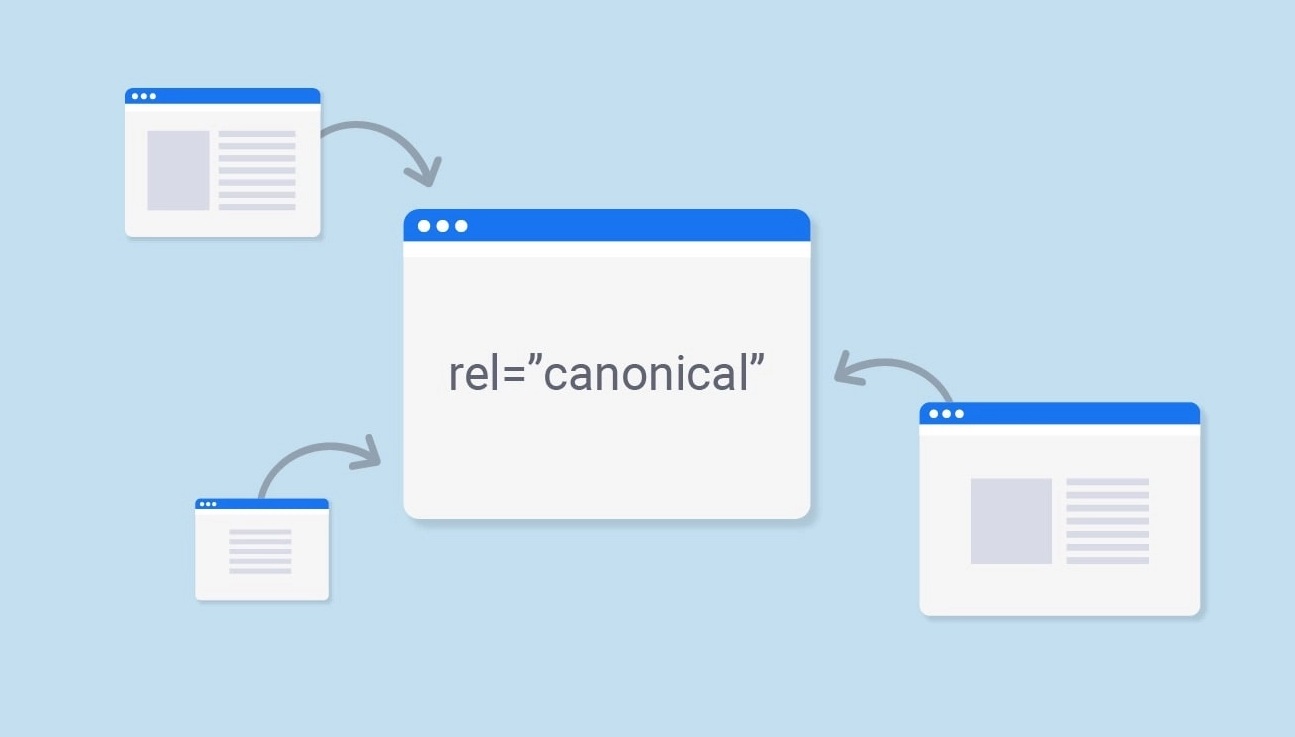
A canonical tag is a link element that is used to specify the version of a page that should be indexed and ranked.
The canonical tag can be used to prevent duplicate content from being indexed. It also helps with SEO because it can help search engines identify the authoritative version of a page.
A canonical tag is a piece of code that you can add to your website’s pages to indicate which page should be indexed in search engines.
A canonical tag will help you with your SEO because it tells the search engine which version of the content they should index and rank. If you are updating and editing your content, use a secondary tag for that. For example, if you’re constantly updating or editing content in one of your blog posts, use the date as the secondary tag in that case.You can also use tags to help others find specific pieces of content on your website.These tags will usually be things like “in-depth” or “user guide” which help people who are looking for information relevant to a specific keyword.
What is a canonical tag and how can it help your SEO?
A canonical tag is a meta tag that tells search engines which version of a web page they should index. If you have two versions of the same content, you can use the canonical tag to tell Google which version to show in search results.
This allows you to keep your site organized and prevents duplicates from showing up in search results. It also helps improve the user experience by reducing confusion about duplicate content on your site.
The canonical tag is an important SEO tool because it helps reduce duplicate content, improves user experience, and helps with organization of a website. .For example, if a website has a page named “About Our Company,” the canonical link should be created to “Company” in order to improve the user experience by providing an easy link back to the original source.
A canonical tag is a piece of code that tells search engines which version of a web page should be indexed. This can be helpful in cases where the same content is available on more than one URL.
If a site has two URLs, www.example.com/page and www.example.com/page-2, the canonical tag will tell Google which one to index and rank higher in search results for that URL or domain name (www.example.com).
Canonical tags are important for SEO. They help you avoid duplicate content issues and improve your site’s ranking.
A canonical tag is a piece of code that tells search engines which version of a page is the original or “canonical” version. For example, if you have two pages with the same content but different titles, you can use a canonical tag to tell Google which page should be indexed as the original.
A canonical tag is a piece of code that tells search engines which version of a page to rank for a given URL.
The canonical tag can be used to tell search engines which version of the URL should be indexed and ranked in the search engine results pages.
There are three main reasons why you might want to use the canonical tag: -To prevent duplicate content issues when two URLs point to the same content on your site. -To prioritize one URL over another, such as when you have an old and new URL for a resource on your site. -To maintain control over which URLs are indexed by Google in cases where you don’t control all versions of your content. .A canonical tag is most often used to prevent duplicate content issues when two URLs point to the same content on your site. This is usually only needed when you have a URL that you own, and another URL that is provided by a third party. For example, if you have a resource on your site called “John Smith’s Resume,” which redirects to “johnsmithresume.com,” it would make sense to use the canonical tag so that search engines know which page should be indexed for that term. The canonical tag should be placed on the main page, with the “www.” preceding all links to it.
How to add canonical tag in wordpress
A canonical tag is a piece of code that you add to your website’s HTML in order to tell search engines which version of the content is the original, and should be indexed.
This tag can be used to address duplicate content issues. It also helps with indexing and ranking on search engine result pages (SERPS).
The canonical tag is used to specify which URL should be considered the “canonical” or “preferred” URL. It can also be used to specify that a page should not be indexed in search engines, or to specify a preferred domain name for a page.
This tag is very important for SEO purposes because it helps with duplicate content issues.
When you add a canonical tag in WordPress, you are telling Google that this page is the original version of content.
This will help Google to know which page to show in search results. In order to add a canonical tag in WordPress, navigate to Settings > Permalinks and click on “save changes”. at the bottom.In order to add a canonical tag in Blogspot, click on Settings > Structured Data and then click on “Manage Structured Data” at the bottom.Paste the canonical link in the field with your domain name.If you do not have a domain name, enter your URL instead.In order to add a canonical tag in Tumblr, navigate to Settings > Links and then click on “add “.
Should every page have a canonical tag
A canonical tag is a HTML attribute that defines a preferred URL to use when linking to a webpage.
The canonical tag can be used to help prevent duplicate content issues with search engines.
It can also be used as a signal for search engines to give more importance to the page.
A canonical tag is a way of telling search engines which page you want to rank for a particular keyword. It’s important because it can help reduce duplicate content and make your site more search engine friendly.
The canonical tag tells the search engine which page to use as the main source of information for a given topic. A website may have many pages that are similar, or it may have multiple versions of one page (for example, with different languages or formats). It’s useful when there are multiple pages with the same content on a site, because it helps the search engine know which one is the most important.
As a search engine optimization (SEO) technique, the canonical tag is used to specify which version of a web page should be indexed. This helps Google and other search engines to understand which URL should be shown in their results.
The canonical tag is used to specify the preferred version of a web page, among several URLs that might be returned by search engines.
Schema markup is a form of structured data that tells search engines and other machines how to categorize and process content on the page.
What is Schema Markup & Why It’s Important for SEO
It is a way for webmasters to provide Google, Bing, Yahoo, and other search engines with information about the site’s content. In addition to providing metadata about the site’s content, schema markup can also be used to provide important information about the site’s layout or design.
Schema markup can be used in various formats such as JSON-LD, Microdata, or RDFa.
Schema markup is used to improve the accessibility of web pages by providing additional information to various search engines. It is also used to improve the indexing of content on web pages and provide more meaning to search engine crawlers.
What is Schema Markup?
Schema markup provides additional information about a web page’s content, which can be used by search engines and other applications. This can help make your site more accessible, as well as provide more meaning for crawlers. Schema markup can also be used to improve the indexing of content on your page and provide more relevant results in search engine results pages.
Schema markup is a way to tell search engines what your web page is about.
Schema markup is a way to tell search engines what your web page is about. It helps them understand the content of your pages and display them in a more useful way in search results.
This article will explain why schema markup matters, how it works and how you can use it on your website.
Schema markup is a way to define the meaning of data to search engine crawlers. It is used for webpages and other online content in order for search engines, like Google, to better understand what information is on the page. It can be used for many different types of data, such as: locations, contact information, reviews and ratings.
A website or webpage can have one or more schema types applied simultaneously. For example, it could have a location schema that defines the address and phone number of a business as well as an events schema that lists upcoming events at the business’s location.
Schema markup is a way of adding additional information to HTML or XML documents.It can be used to describe the content and its properties, such as date, price, review rating etc. The schema markup is not necessary for the website to be functional but it helps search engines better understand the content and provide more accurate results in search engine result pages (SERP).
Schema Markup is a set of tags that can be added to a website’s HTML code. These tags provide additional information about the content on a webpage to provide more meaning to search engines and other web services. Schema Markup is an important tool for SEO as it helps search engines better understand the content on your site. It also helps your site rank higher in SERPs by providing more context about the content you are publishing. The most popular types of Schema Markup are Microdata, RDFa, and JSON-LD.
Schema Markup Important for SEO
Schema Markup is a collection of tags and attributes for webpages. It is used to describe the content of the page in order to improve its search engine rankings.
Some of the benefits of Schema Markup are:
– Improved SEO ranking
– Improves user experience on a site
– Helps search engines understand what your website is about
Schema.org provides a way for webmasters to mark up their webpages with structured data so that search engines can better understand the content of the page.
This markup is especially important for SEO, as it allows search engines to use rich snippets in their SERPs. Rich snippets are clickable and often include additional information such as an image, price, or rating.
The schema markup is a standardized vocabulary that defines the data on a web page and provides information about it to search engines.
A website’s content is one of the most important factors when it comes to SEO. The content must be relevant, original, and engaging for the user. The schema markup is an important factor when it comes to SEO because it will help with your website’s ranking in search engines.
How can schema markup contribute to your seo rankings?
Schema markup is a way to improve your SEO rankings and make your pages more rich for both users and search engine crawlers.
Search engines use schema markup to better understand the content of a page. They also use it to rank your site higher in the SERPS. So, if you want better SEO rankings or want Google to index your page faster, it’s important that you implement schema markup.
Schema markup is one of the most important things that you can do to improve your site’s search engine rankings. It helps search engines understand what your site’s content is about and how it should be classified.
This article will tell you everything you need to know about schema markup and how it can help your SEO strategy.
Schema markup is a way of adding structured data to your website in order to provide search engines with more information about your site. It can be used for reviews, events, products, recipes and many more things.
This structured data helps search engine crawlers understand the content on your page and rank it higher in their results pages. Using schema markup will also help with ranking in other search engines like Bing or Yahoo!
Benefits of Schema Markup
Schema markup is a way of tagging content with structured data. It helps search engines identify the topic and genre of a web page. This is done using markup that includes name, description, and other relevant information.
Schema markup is beneficial to both businesses and customers who are looking for specific products or services. It helps businesses in terms of SEO as it makes their website more visible on search engine listings. It also helps customers find the information they are looking for faster, which in turn increases conversion rates.
Schema markup is a way to add structured data to your web pages. It can be used to make your content more accessible and easier for search engines to understand.
What is Schema Markup & Why It’s Important for SEO
There are many benefits of schema markup, such as:
-Making content more accessible for people with disabilities or using assistive technologies.
-Improving the experience of mobile users, by providing rich snippets in search results and other features, like clickable phone numbers in Google Maps.
-Helping search engines better understand your content and index it appropriately.
-Increasing visibility on the web by making it easier for people to share links with others and for search engines to find your website.
Schema markup is a way to give more information about the type of data on a webpage. This is done by adding tags that are specific to the type of data and then adding those tags to the HTML code.
This markup can be used for things like reviews, locations, people and many other types of data.
The benefits of schema markup are that it makes it easier for search engines to understand what you are trying to say on your webpage. It also helps with SEO because it adds more information about your page so that people can find it more easily when they search for certain things.
What is schema markup generator ?
Schema markup generator is a tool that helps you generate schema markup for your website or blog.
Schema markup is a way to make sure that your content is understood by search engines and other devices. Schema markup generator is a tool that helps you generate the necessary code to add schema to your website and blog.
Schema markup generator is a tool that is used to create schema for the webpages. It can be used to identify the information about the webpage.
Schema markup generator is an open source project that has been developed by Google. This project allows you to create, edit and validate HTML and microdata formats on webpages.
Schema markup is a set of tags that can be used to specify the type of content on a web page.
A schema markup generator is a tool that helps you create and edit the tags. It will generate the code for you and it will also give you explanations about how to use the various tags. There are also plugins that will allow you to embed the generated markup on your website.
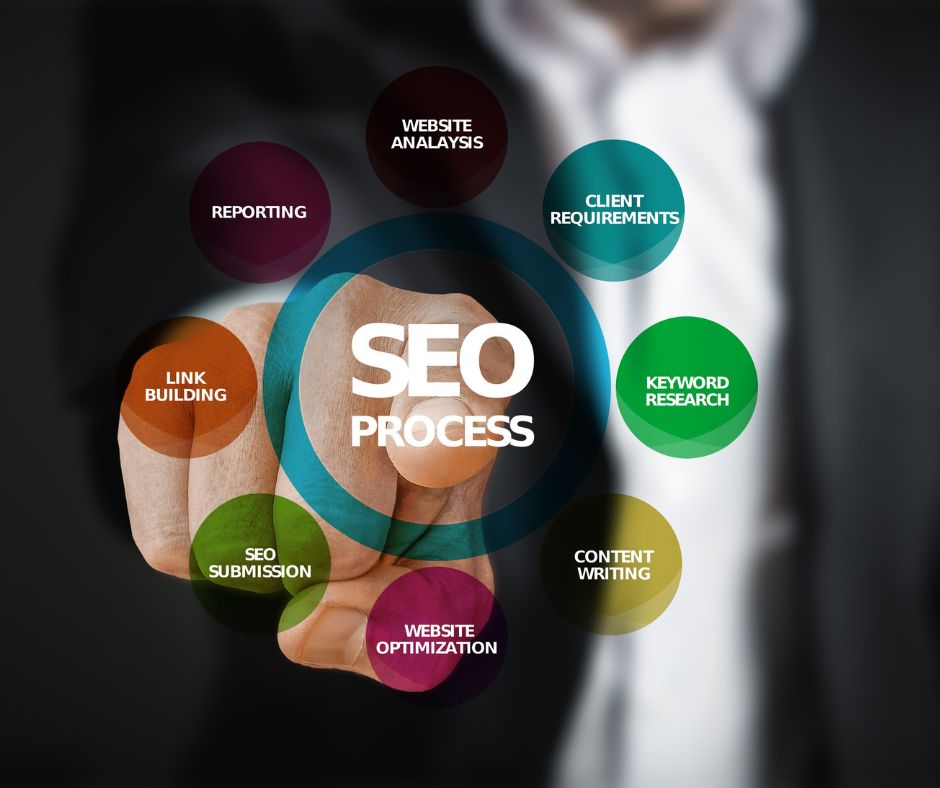
SEO stands for Search Engine Optimization. It is the process of optimizing a website to rank higher in search engine rankings. The goal of SEO is to make a site more visible to search engines and users. This can be done through on-page optimization, link building, and other techniques. SEO can be done by anyone with a little technical knowledge and some time to invest. However, it is important to do your research and know what you are doing before you start messing with your site’s code or buying links from shady websites.
SEO is the process of optimizing a website to rank higher in search engine result pages.
The process is not an easy one and it requires a lot of time and effort. SEO professionals need to know how to optimize the content on their site, how to make it appealing for search engines and what keywords are best for their site.
How Does SEO Work?
Search engine optimization is one of the most important aspects of digital marketing, and it’s something that everyone should be aware of.
SEO is a process that revolves around getting your website to rank higher in search engine results pages. This process can be broken down into three main steps: on-page optimization, off-page optimization, and technical SEO.
The on-page optimization involves things like keyword research, page titles and meta descriptions, site structure, URL structure, content length and quality, internal linking structure, and more. Off-page optimization includes things like link building (getting other sites to link back to your site), social media marketing (engaging with others on social media), guest blogging (writing articles for other websites), press releases (sharing newsworthy information with journalists), etc. Technical SEO involves things like making sure your website loads quickly by using a content delivery network or CDN; making sure you have a mobile version of your website; setting up 301 redirects for any URLs that have moved; and making sure your website loads quickly by not using too many plugins or unnecessary features.You can find out more about SEO on Wikipedia, including a list of applicable SEO metrics.
Search engine optimization is the process of improving the ranking of a website or a web page in a search engine’s unpaid results—often referred to as “natural”, “organic”, or “earned” results—which are usually based on relevance, content quality, and authority.
SEO is one of the most important aspects of digital marketing. It can be done through different channels like social media, email marketing and content marketing. SEO helps you rank higher in search engines so that your business can be found by your target audience.
Search Engine Optimization (SEO) is the process of improving the ranking of a website or web page in a search engine’s unpaid results – often referred to as “natural,” “organic,” or “earned” results – which are usually based on relevance, content quality, and authority.
Search engine optimization (SEO) is the process of affecting the visibility of a website or a web page in a search engine’s unpaid results—often referred to as “natural,” “organic,” or “earned” results.
It is an effective way to attract new visitors and customers, and can be done by paying for advertising, optimizing your content, and building high quality backlinks.
The first step in SEO is understanding how search engines work.
The second step is creating content that will rank well for those keywords.
Finally, you need to get high quality backlinks pointing to your site.
SEO is a process of optimizing your site to get it ranked higher in search engine results. It is a set of techniques that you can use to get more visitors to your site. SEO is not just about getting high rankings for your website in Google, but it also about getting high rankings for the keywords that you want to rank for.
SEO may also be referred to as Search Engine Optimization, which is the process of improving your website so that it ranks higher in search engine results pages. (SERPs, also known as search engine listings or organic listings).SEO is the ideal way to attract customers and increase leads for your business.
Types of SEO
There are two types of SEO: on-page and off-page.
On-page SEO is the process of optimizing pages to rank higher in search engine results pages (SERPs). It’s the process of making sure that a website is optimized for the search engines, meaning that it has all the necessary elements in place to rank higher in SERPs. This includes ensuring that the site is built using best practices for SEO, using good keywords and meta descriptions, using proper headings, etc. On-page optimization refers to optimizing the content on a website in order to rank higher in SERPs. This includes keyword research, headlines, meta descriptions and more. Off-page optimization refers to any action taken outside the website that can rank it higher in SERPs. This includes social media marketing, link building and more. Technical SEO is a subset of on-page optimization that focuses on making sure the website is set up for search engine crawlers to better index it.
On-page SEO is the process of improving the content and code on a given page to increase its relevance to a given keyword. Off-page SEO is the process of increasing a page’s authority through links from other sites. Local SEO is about targeting your website for a specific geographic location or region with the goal of ranking well in local search engines such as Google Maps or Yelp. International SEO refers to targeting your website for international audiences through social media channels and other platforms that are popular outside of your country’s borders.
Off-page SEO refers to all other activities that contribute to a website’s position in SERPs. Off-page SEO includes link building, social media marketing, content marketing, etc. Link BuildingIn its most basic form, link building is the process of obtaining links to a website from external sources. There are a few different types of link building: paid, earned and natural. Paid link building requires an advertiser to pay for the placement of their target site in order to increase their own search engine rankings. Earned or “earned” links are links that you can build through marketing activities such as blogging or social media marketing. Natural links are those from sites that provide related content that is already reasonably popular.Traditional/Structured links are links that typically come from directories such as DMOZ.
Technical SEO
There are four major types of SEO: On-page SEO, Off-page SEO, Local SEO, and International SEO.
SEO is a process of improving the visibility of a website in organic search engine results.
The process includes on-site optimization and off-site optimization. On-site optimization covers the technical aspects of a website, such as coding and designing, to ensure that the site is well structured and user-friendly. Off-site SEO covers techniques for boosting the ranking of a site in search engine results by attracting links from other sites.
Technical SEO is an important part of SEO because it ensures that search engines can crawl through your website easily and index its content correctly.
Technical SEO is a type of search engine optimization (SEO) that focuses on the technical aspects of a website.
Technical SEO is a subset of all types of SEO. It’s an important part of any company’s digital marketing strategy as it can help them rank higher in the SERPs. The most important aspects to focus on are: site speed, mobile responsiveness, and accessibility.
Technical SEO is a vital part of any website’s marketing strategy. It is the process of making sure that the technical side of your website is optimized and operational. This includes things like clean code, security, and site speed.
Technical SEO can be broken down into three main categories:
– On-page optimization: The content on your site should be well written and easy to read for your visitors.
– Off-page optimization: This includes things like link building, social media, and guest blogging.
– Technical optimization: The technical aspects of your site need to be optimized as well in order for it to work properly for you and your visitors.
The goal of technical SEO is to improve user experience by making sure the site performs at its best potential so that visitors will stay on the site longer and enjoy their time on it more than they would otherwise.
SEO is an acronym for Search Engine Optimization. It is the process of optimizing web pages to rank higher in search engine results pages (SERPs) by using different techniques.
Importance of Backlinks are the cornerstone. They give Google an idea of what your site is about and how it is relevant to the content of other sites.
What is the Importance of Backlinks for SEO
If you don’t have backlinks, then you will be in a situation where Google can’t identify your site as relevant to any search queries. If this happens, then Google will not be able to rank your site for any keywords that you want to rank for.
Backlinks are not just important for SEO purposes but also for social media purposes. Social media sites use backlinks as a measure of relevance when ranking posts on their platform. You can get backlinks from other websites that have linked to your website. These are called external links because they are not on your website. In general, more backlinks mean more credibility and higher ranking on social media sites like Facebook and Twitter.
Backlink building strategies: A simple way to create backlinks is by asking some of your friends, family members, or business associates to link to your blog post or homepage. It doesn’t matter if it is a blog post or homepage, but it is recommended to post your blog posts on a personal blog or on a professional website.You can also give links to your content by asking for a link exchange. This type of backlinks will be more beneficial in the long run than if you ask just one friend but less beneficial than getting backlinks from friends, family members, and business associates because this will cause an influx of traffic.
Backlinks are the most important factor in determining a website’s ranking in search engine results pages. They provide link juice to a website and help it rank higher in search engine results.Links can be created in a number of ways:Links that are part of a link network, such as social media or article directories, which provide links to other websites without this website taking any action. Links through services like RSS, which have been established on the internet for years. Links coming from websites that have already been indexed by search engines and therefore do not need any additional work to be submitted. Links in a website’s navigation bar or foot er may also be considered link bait.Link bait is often used by websites attempting to drive traffic and increase traffic to their website. Link bait may provide a new product or service, give a coupon for the website’s content, or offer an incentive for visitors to follow a link such as entering information in exchange for entry into an email subscription list. The term “link bait” has been often used pejoratively with intent of disparaging its use in regards of websites which offer such content.
A backlink is basically a link on another website that links to your website. It is an indicator of how popular your content is on the internet. The more backlinks you have, the higher your site will rank in search engine results pages for certain keywords.
Backlinks are also an indication of popularity and relevance of content on your site. It tells search engines that people find your content useful, authoritative and trustworthy enough to share it with their audiences – which makes it more likely to show up in the top result pages for queries related to its topic or niche.
Backlinks are links that point to a website from another site. These links are usually found in the form of a hyperlink. The more backlinks a website has, the higher it will rank on search engines like Google and Bing.
A high number of backlinks can be beneficial for your SEO because they help search engines understand what your content is about. This means that they will rank you higher in the search engine results pages (SERPs). Having more backlinks also helps with social media marketing as well because it increases the chance of someone sharing your content on their page.
How to Effectively Use Keyword Research Tools?
Keyword research is one of the most important aspects for any online business or individual who wants to make money online through blogging or other types of online marketing techniques. There are many free and paid tools available for keyword research, but the two most popular are Google AdWords Keyword Tool, which is offered by Google, and the Keyword Planner that is offered by WordStream.Advertisers will pay more for a click when the ad appears near a search result for a highly sought-after keyword. When someone searches “clothing,” for example, an advertiser will likely pay more to show their ad on that page than on the second page of search results where there is less competition .Search Engine Ads Work Best When They Deliver Higher Conversion RatesThe more advertising revenue is generated for the advertiser, the better. That’s why advertisers with higher conversion rates are often able to charge more for their ads. For example, a search engine like Google might pay an advertiser $10 to show an ad on the first page of results when it costs them only $1.50 to show an ad on the second page of results where there is less competition.
Why are Backlinks important?
Backlinks are important because they help search engines to understand what your website is about. They also help you rank higher in the search engine results pages.
In order to rank high in the SERP, you need backlinks. Search engines use them as a way to know what your website is about and how relevant it is for that topic. Backlinks also help your site rank higher on the SERP, which means that more people will be able to find your content and visit your site.
Backlinks are important for SEO and for ranking in Google. They can be obtained in a variety of ways, such as guest blogging, social media links, etc.
A backlink is a link from one website to another website. A backlink is important because it can help your website rank higher on search engine results pages like Google. Backlinks can be obtained in a number of ways including guest blogging and social media links.
Backlinks are the links on other websites that point to your website. This is a measure of how popular your website is or how many people have linked to it. The more backlinks you have, the higher your website ranks in search engine results pages (SERPs).
The following are some reasons why backlinks are important: – Backlinks can help increase traffic to your website. – Backlinks can help improve your ranking in search engine results pages. .- Backlinks can help improve your external awareness.
The following are some factors that affect the number of backlinks you can potentially receive:- The amount of time a web site has been online.-
The quality of the website.- The duration for which the website has been active.
– Backlinks can help you get more visitors and customers.
– Backlink building is an important part of SEO strategy for any business looking to rank higher in SERPs and get more visitors and customers.
Types of Backlinks
1) Internal backlinks– These are links from one page on your website to another page on your site. They help with the flow of traffic on a website and can increase the number of visitors to a site.
2) External backlinks– These are links from other websites that point to your site. They can be broken down into two categories: dofollow and nofollow links. Dofollow links pass link juice through to the destination site, whereas nofollow links do not pass any link juice through.
3) Anchor text– This is text that is hyperlinked or underlined in a webpage and directs users to another webpage or location within the same webpage. Anchor text is an important factor in search engine optimization (SEO).
How to Create Backlinks ?
What is the Importance of Backlinks for SEO
Backlinks are a vital part of SEO. They are the way to get your website ranked higher in search engine results pages. There are many ways to create backlinks, but the most common is through content marketing.
This section will discuss how you can create backlinks using content marketing.
A backlink is a link on a website that points to another website. It is a way for webmasters to give credit to the original author or site owner.
In order to create backlinks, you can use your own site or other sites. You can also use social media links, which are more likely to be followed by people.
Backlinks are a crucial part of SEO. They are the way to get your content seen by more people and make it rank higher in search engine results pages. The best way to create backlinks is to publish guest posts on other websites.
Guest posts are articles that you publish on another website with a link back to your site. They can be written by yourself or by someone else, as long as you have permission from the site owner. Guest posts provide an opportunity for both parties: for the website owner, it’s an opportunity to increase their traffic and for you, it’s an opportunity to get a link back to your site and increase its visibility in search engine results pages.
Backlinks are hyperlinks that point to your website from another site. They are important because they help search engine crawlers find and index your content, which in turn helps boost your rankings in search results.
There are many ways to create backlinks, but these are the most common ones:
– Guest blogging
– Commenting on other blogs
– Creating infographics and sharing them on social media sites like Pinterest or LinkedIn
– Publishing articles and submitting them to article directories
—
This article is about how to create backlinks. There are many ways to create backlinks, but this article will focus on the most common way – creating content that is valuable and relevant to a particular audience.
1) Create valuable and relevant content:
2) Reach out to other bloggers in your niche and ask them if they would be willing to share your content with their followers on social media or by linking it from their blog;
3) Reach out to influencers in your niche who have a large following and ask if they would be willing to share your content with their followers;
4) Comment on other blogs in your niche, share useful information and link back to your own blog.
Backlinks are the links that point to your website from other sites. They are a great way to improve your search engine ranking and organic traffic.
There are three types of backlinks:
1) Do-follow: The most common type of backlink, do-follow will help you rank better in search engines.
2) No-follow: No-follow links are not as powerful as do-follow, but they still have an effect on your rankings.
3) Link exchange: Link exchanges can be beneficial for both parties, but they may result in a link that is no-follow or do-not follow on one side.
White Hat SEO is the process of optimizing your content for search engines, without manipulating the results. One of the most important aspects of white hat SEO is ensuring your website has a high-quality content. This means that you need to have unique and relevant articles that are not duplicates or scraped from other websites. and that provide a valuable, informative and unbiased information.
diferentiate between white hat and black hat seo
White Hat SEO is a term that is used to define the ethical and legal optimization of a website.
White Hat SEO is a term that is used to define the ethical and legal optimization of a website. It was created as an alternative to Black Hat SEO, which refers to unethical techniques that are often employed in order to rank higher on search engines.
The phrase “White Hat” comes from the idea that those who employ White Hat techniques are wearing a metaphorical white hat, meaning they are following all of the rules and not breaking any laws like Black Hats.
White Hat SEO is a term used in the search engine optimization industry to describe ethical, non-manipulative, and transparent practices that abide by the search engine’s guidelines.
White hat SEO is an ethical way of optimizing your website. It is also called “natural” or “organic” SEO because it doesn’t violate any of Google’s guidelines. The goal of white hat SEO is to make your website rank higher in the natural results without any artificial manipulation.
White Hat SEO is the process of optimizing a website to rank high in search engine results pages. It is the opposite of Black Hat SEO, which is the process of using unethical techniques to rank higher in search engine results pages.
White Hat SEOs abide by Google’s guidelines for ranking high on SERPs. They use techniques such as keyword research and optimization, site structure, content creation, and link building.
What is Black Hat SEO
Black hat SEO refers to the practice of manipulating a search engine’s algorithm with unethical methods in order to achieve a desired ranking on their SERPs. These methods are typically against Google’s Webmaster Guidelines and are considered spammy or low-quality by Google.
Black Hat SEO is the process of optimizing your content for search engines by manipulating the results. This process can include spamming, plagiarism or keyword stuffing.What does this mean for you? For example, if someone uses black hat tactics to increase their website’s authority in search engine rankings by making posts on your competitor’s websites with various links back to their site, they are probably not doing white hat SEO.
Black Hat SEO is the practice of intentionally manipulating search engine rankings in ways that are not ethical or within the guidelines of search engines.
differentiate between white hat and black hat seo
The term “black hat SEO” was coined as a metaphor for hacking in order to get a site’s pages to rank higher in search engine results pages (SERPs). Black Hat SEO is considered unethical because it violates Google’s Webmaster Guidelines and can harm user experience.
Black Hat SEO is a term used to describe the use of unethical methods to manipulate search engine rankings and tricking the search engine into thinking the site is more relevant than it actually is.
Black Hat SEO has been around for a while, but it’s become less prevalent as Google has increased its efforts to remove spam from its search results.
Black Hat SEO is a type of search engine optimization that violates Google’s guidelines. Black hat SEO is usually done by webmasters with the intent to manipulate search engine rankings and increase website traffic.
Black Hat SEO is a term used to describe the use of unethical, illicit, and/or illegal methods in order to improve the ranking of a website or web page in search engine results pages (SERPs).
Black Hat SEO is the practice of using unethical techniques to increase a website’s search engine ranking. It can be done by using spam techniques, link schemes, keyword stuffing, and other methods that are against Google’s Webmaster Guidelines.
Black Hat SEO is the act of spamming a website with low-quality content to manipulate search engine rankings.
Black Hat SEO is a form of spamming which can lead to penalization by search engines. It’s a type of unethical SEO that uses manipulation techniques to rank higher in search engine results pages than would be possible otherwise. .Black hat SEO techniques often involve spamming, cloaking, keyword stuffing, link farming or scraped data.
What is Gray Hat SEO
Gray Hat SEO is a form of search engine optimization that is in the gray area between black hat and white hat SEO.
Gray Hat SEO is not as nefarious as Black Hat SEO, but it’s not as innocent as White Hat SEO either. It can be defined by the use of spammy techniques such as keyword stuffing, cloaking and doorway pages to achieve a higher ranking in search engine results pages.
It’s also important to note that Gray Hat practices are not illegal or unethical, but they are frowned upon by Google and other search engines.
Gray Hat SEO is a term used to describe a type of search engine optimization that is considered unethical or even illegal. in some circles. The term dates back to the 1990s, but gained popularity with the rise of search engine marketing and arose as a meme in 2005.In 2005, Ben Edelman, an assistant professor at Harvard Business School and a search engine marketer who has worked for WebMD, Microsoft and AOL, coined the phrase “black hat SEO” to describe unethical strategies that may result in penalties from search engines.
It is the act of manipulating the visibility of a website or webpage in SERPs by using spammy techniques. The goal is to rank higher than competitors in organic search results, but without abiding by the guidelines set by Google’s Webmaster Guidelines and best practices.
The strategies used are often deceptive and can lead to penalization from Google which may result in a site being removed from SERPs altogether. Google has been updating their algorithm constantly to combat these tactics. Many SEO professionals believe that Google may be adding additional algorithms in the future to combat content scraping which could result in a post-humans taking over SEO as we know it.
Gray Hat SEO is a practice of using techniques that are not in compliance with search engine optimization guidelines. These techniques are usually used by businesses to gain a competitive edge over their competitors.
The term “Gray Hat” was coined by the Search Engine Watch blog in 2004. The term refers to a person who engages in questionable SEO practices, but does not go as far as Black Hat or White Hat SEOs. “Gray Hat” methods are usually employed by marketers who want to use SEO tricks without getting into legal trouble. These tricks typically focus on increasing content in areas where search engines tend to rank highly in search results, or creating content that is designed to attract people with common interests towards a website. There are a number of techniques which can be considered “gray hat.” They include: Creating content that is designed to attract people with common interests towards a website. This might include content which is generally related to your business niche and would be of interest to other members of that niche.Branding your website as an authority site on a particular topic, then building your search engine rankings through links from other websites in the same field.Link spamming using paid link programs or manual methods which are not clearly manipulative or deceptive.
Difference between white hat and black hat
The difference between white hat and black hat is that the former is a type of hacker that uses their skills for good. They don’t do anything illegal or unethical, but instead use their skills to help companies fix what they deem as vulnerabilities. Whereas black hats are hackers who use their skills to break into systems and steal information or cause damage.
White hat hackers use their skills for good purposes, such as penetration testing and security audits. Black hat hackers use their skills for bad purposes, such as cybercrime and cyberterrorism.
White hat hackers are the good guys in the cybersecurity world. They are often hired by companies to test their systems and find vulnerabilities before they can be exploited by black hat hackers. White hats can also work to create new cybersecurity technologies that will make hacking more difficult in the future.
Black hat hackers are the bad guys in the cybersecurity world. They typically use their skills to steal information or money from people or companies without them knowing it’s happening. Sometimes they’ll also break into a system and leave behind a program called malware that lets them come back at any time without being detected.
Black hat SEO is a deliberately manipulative practice, which is against Google’s Webmaster Guidelines. It can lead to a site being banned from the search engine.
White hat SEO, on the other hand, is the practice of following guidelines set by Google in order to get a website ranked higher.
The difference between white and black hat SEO lies in intent. White hat SEOs are trying to do everything they can to make their websites rank higher and abide by all of Google’s guidelines, whereas black hats are trying to manipulate Google for their own benefit.