How Long Does it Actually Take For SEO to Start Working?

Today’s digital landscape is one where people are all trying to get to grips with SEO (Search Engine Optimization) and the period it takes to start yielding positive results. The length of time involved here could be almost felt before these efforts can become influential in terms of traffic, rankings among others online presence. It’s about knowing when success as an SEO can happen after how long.

The Beginning: Initial SEO Audit and Strategy Development

This fight starts by first analyzing your website so as to find out its level of healthiness in terms of SEO. This stage is important as it lays down a strategic foundation. Website structure, quality contents, keyword optimization and backlink profiles are some of the things that need checking here. Hence, there should be an seo strategy developed which addresses every single issue identified as well as leveraging on any opportunities that may exist for creating a strong base.

How Long Does it Actually Take For SEO to Start Working?

Content Optimization and Quality

In search engine optimization, content is king. High-quality relevant content designed specifically for your audience enhances site authority and relevance in regards to particular searches done by individuals. Therefore good readability or value means stuffing keywords while having fresh contents on-site perpetually makes it more dynamic or appealing towards both search engines plus users.

On-Page SEO Enhancements

On-page optimization refers to optimizing individual web pages in order to get higher rankings leading to receiving more organic traffic. In this case refining meta tags, headings, internal links and images that make the user experience better while increasing accessibility by search engines are involved here. Moreover schema markup implementation improves visibility within search results by giving precise information about one’s content thus reducing chances for irrelevant matches.

Technical SEO Improvements

Technical Search Engine Optimization encompasses enhancing various technical aspects of your website so that they may become accessible by crawlers or indexers employed by search providers even better than before. It includes improving site speed, mobile-friendliness, having a secure connection (HTTPS) and creating an XML sitemap. Removing these technical factors can be very effective in breaking barriers that hamper search engine indexing activities.

Quality Backlinks

Having a strong backlink profile is a prerequisite for success in seo. Whenever any other authoritative website links to you, it serves as an endorsement by the search engines thus making your site more credible and influential. Guest blogging, influencer collaborations or shareable content are some of good link building practices that can earn one quality backlinks.

Patience and Perseverance: The SEO Timeline

Though professionals estimate around 4 to 6 months being a reasonable time frame before significant improvements can be noticed, the timeline for seeing results from SEO is not definite. This period ensures that changes on your site are crawled and indexed by search engines which will over time impact rankings and traffic positively.

It should be noted that SEO is not an event but rather an ongoing process. Continuous optimization plus adaptation of an seo strategy are necessary so as to maintain or improve ranking across time because the digital landscape keeps shifting along with changes in algorithms used by search engines.

Monitoring, Analysis, and Refinement

This leads us to the question of how long does SEO take to work. It depends on your website’s current condition, the competitive environment and how much effort you put into search engine optimization practices. Holistic strategy formulation, valuable content creation, on-page and technical optimizations and ethical link-building activities need to be focused upon by firms so as to position themselves well for SEO triumphs.

SEO is a marathon not a sprint that should be constantly remembered. Hence, it requires patience persistence and continuous tweaking which are key towards achieving top placement in SERPs over extended periods leading to increased traffic.

Seo Services In Sri Lanka

Search engine optimization (SEO) is a crucial digital marketing tool for businesses in Sri Lanka, as it can help improve their online visibility and attract more customers. In this article, we will explore some of the SEO services available to businesses in Sri Lanka.

  1. Keyword Research

Keyword research is a critical component of any SEO strategy. It involves identifying the keywords and phrases that your target audience is searching for online. By optimizing your website’s content for these keywords, you can improve your website’s ranking in search engine results pages (SERPs) and attract more organic traffic.

  • On-Page Optimization

On-page optimization involves optimizing individual web pages of your website to improve their ranking in search engine results pages (SERPs). This includes optimizing the page’s content, title tags, meta descriptions, images, and more. By optimizing each page on your website, you can improve your website’s overall SEO and attract more organic traffic.

  • Off-Page Optimization

Off-page optimization involves optimizing external factors that can affect your website’s ranking in search engines. This includes building backlinks, social media marketing, and online reputation management. By improving your website’s off-page SEO, you can improve your website’s visibility and attract more organic traffic.

  • Local SEO

Local SEO is particularly crucial for businesses in Sri Lanka that are targeting a local audience. This includes optimizing your website for location-based keywords, creating Google My Business listings, and building citations in local directories. By optimizing your website for local search terms and local search engines, you can attract more local customers and improve your website’s ranking in search engine results pages (SERPs).

  • E-Commerce SEO

E-commerce SEO is critical for businesses in Sri Lanka that operate online stores. This includes optimizing product pages, creating optimized descriptions, and improving the website’s overall user experience. By improving your website’s e-commerce SEO, you can attract more customers and increase your sales.

  • Mobile SEO

With more and more people using mobile devices to browse the internet, mobile SEO has become increasingly important. This involves optimizing your website for mobile devices, including optimizing page speed and ensuring that your website is mobile-friendly.

  • Reporting and Analytics

Measuring the success of your SEO efforts is essential, as it allows you to identify areas for improvement and make data-driven decisions. SEO service providers can provide detailed reporting and analytics that show you how your website is performing in search engine results pages (SERPs), how much traffic your website is attracting, and more.

In conclusion, SEO services are essential for businesses in Sri Lanka that want to improve their online visibility and attract more organic traffic. By working with an experienced SEO service provider, businesses can optimize their website’s content, build backlinks, and improve their overall online presence. Consider reaching out to a local SEO service provider in Sri Lanka to learn more about how SEO can benefit your business.

Best Seo Services In Dunedin FL

Dunedin, Florida is a bustling city with many small businesses vying for online attention. Search engine optimization (SEO) is an essential tool that can help these businesses improve their online presence, attract more organic traffic, and generate more leads. In this article, we’ll explore some of the SEO services available to small businesses in Dunedin.

  1. On-page optimization

On-page optimization involves optimizing individual web pages to improve their ranking in search engine results pages (SERPs). This includes optimizing the page’s content, title tags, meta descriptions, images, and more. By optimizing each page on your website, you can improve your website’s overall SEO and attract more organic traffic.

  • Off-page optimization

Off-page optimization involves optimizing external factors that can affect your website’s ranking in search engines. This includes building backlinks, social media marketing, and online reputation management. By improving your website’s off-page SEO, you can improve your website’s visibility and attract more organic traffic.

  • Keyword research

Keyword research is an essential part of SEO, as it involves identifying the keywords and phrases that potential customers are searching for online. By optimizing your website’s content for these keywords, you can improve your website’s ranking in search engine results pages (SERPs) and attract more organic traffic.

  • Content creation

Creating high-quality content that is optimized for SEO can help your website attract more organic traffic and improve your website’s ranking in search engines. This includes creating blog posts, articles, videos, and other types of content that are optimized for your target keywords and phrases.

  • Local SEO

Local SEO is especially important for small businesses in Dunedin, as it involves optimizing your website for local search terms and local search engines. This includes optimizing your website for location-based keywords, creating Google My Business listings, and building citations in local directories.

  • Reporting and analytics

Measuring the success of your SEO efforts is essential, as it allows you to identify areas for improvement and make data-driven decisions. SEO service providers can provide detailed reporting and analytics that show you how your website is performing in search engine results pages (SERPs), how much traffic your website is attracting, and more.

In conclusion, SEO services are essential for small businesses in Dunedin that want to improve their online visibility and attract more organic traffic. By working with an experienced SEO service provider, businesses can optimize their website’s content, build backlinks, and improve their overall online presence. Consider reaching out to a local SEO service provider to learn more about how SEO can benefit your business.

Affordable SEO Services In Arvada

Arvada, Colorado is home to many small businesses that rely on their online presence to attract customers and stay competitive in their industry. Search engine optimization (SEO) is a powerful tool that can help these businesses improve their online visibility, attract more organic traffic, and generate more leads. In this article, we’ll explore some of the SEO services available to small businesses in Arvada.

  1. On-page optimization

On-page optimization involves optimizing individual web pages to improve their ranking in search engine results pages (SERPs). This includes optimizing the page’s content, title tags, meta descriptions, images, and more. By optimizing each page on your website, you can improve your website’s overall SEO and attract more organic traffic.

  • Off-page optimization

Off-page optimization involves optimizing external factors that can affect your website’s ranking in search engines. This includes building backlinks, social media marketing, and online reputation management. By improving your website’s off-page SEO, you can improve your website’s visibility and attract more organic traffic.

  • Keyword research

Keyword research is an essential part of SEO, as it involves identifying the keywords and phrases that potential customers are searching for online. By optimizing your website’s content for these keywords, you can improve your website’s ranking in search engine results pages (SERPs) and attract more organic traffic.

  • Content creation

Creating high-quality content that is optimized for SEO can help your website attract more organic traffic and improve your website’s ranking in search engines. This includes creating blog posts, articles, videos, and other types of content that are optimized for your target keywords and phrases.

  • Local SEO

Local SEO is especially important for small businesses in Arvada, as it involves optimizing your website for local search terms and local search engines. This includes optimizing your website for location-based keywords, creating Google My Business listings, and building citations in local directories.

  • Reporting and analytics

Measuring the success of your SEO efforts is essential, as it allows you to identify areas for improvement and make data-driven decisions. SEO service providers can provide detailed reporting and analytics that show you how your website is performing in search engine results pages (SERPs), how much traffic your website is attracting, and more.

In conclusion, SEO services are essential for small businesses in Arvada that want to improve their online visibility and attract more organic traffic. By working with an experienced SEO service provider, businesses can optimize their website’s content, build backlinks, and improve their overall online presence. Consider reaching out to a local SEO service provider to learn more about how SEO can benefit your business.

seo services agency in brainerd lakes area
Seo Services Agency In Brainerd Lakes Area

Search Engine Optimization (SEO) is an important part of any business’s online marketing strategy. With the increasing competition in the online space, having a strong SEO presence is essential to staying ahead of the curve. If you’re looking for an SEO services agency in Brainerd Lakes Area, there are many options available. In this article, we’ll explore what SEO services are and how they can benefit your business in Brainerd Lakes Area.

What are SEO services?

SEO services refer to the techniques and strategies used by digital marketing agencies to improve the visibility and ranking of a website or web page in search engine results pages (SERPs). SEO services include both on-page and off-page optimization techniques that aim to make a website more user-friendly, accessible, and relevant to search engines.

On-page optimization techniques include optimizing website content, images, and meta descriptions to make them more search engine-friendly. Off-page optimization techniques involve building high-quality backlinks, improving social media engagement, and creating local listings and directories.

Benefits of SEO services for businesses in Brainerd Lakes Area

  1. Increased visibility and traffic

By optimizing your website for search engines, you can improve your website’s visibility and attract more organic traffic. SEO services can help you target the right audience and drive quality traffic to your website, which can lead to higher conversion rates and sales.

  • Better user experience

SEO services can help improve the user experience of your website visitors by optimizing your website for speed, mobile responsiveness, and easy navigation. By providing a better user experience, you can improve engagement and reduce bounce rates, which can also improve your search engine rankings.

  • Cost-effective

Compared to other digital marketing strategies like paid advertising, SEO services can be a cost-effective way to attract organic traffic and generate leads. While SEO requires an initial investment, the results can be long-lasting, and the ongoing maintenance costs are relatively low.

  • Competitive advantage

In today’s digital landscape, having a strong SEO presence can give you a competitive advantage over your competitors. By ranking higher in search engine results pages, you can establish your brand as an authority in your industry and attract more qualified leads to your website.

Choosing the right SEO services agency in Brainerd Lakes Area

When it comes to choosing an SEO services agency in Brainerd Lakes Area, there are a few things to consider. Look for an agency that has experience working with businesses in your industry and can provide case studies or testimonials that demonstrate their results. Also, consider their pricing and contract terms, as well as their communication and reporting processes.

In conclusion, SEO services are an essential part of any digital marketing strategy. If you’re looking for an SEO services agency in Brainerd Lakes Area, there are many options available. By choosing the right agency, you can improve your website’s visibility, attract more traffic, and gain a competitive advantage in your industry.

Seo Services In East Brunswick Nj

Search Engine Optimization (SEO) is a critical component of any business’s digital marketing strategy. With the increasing competition in the online space, having a strong SEO presence is crucial to staying ahead of the curve. If you’re looking for SEO services in East Brunswick, NJ, there are many options available. In this article, we’ll explore what SEO services are and how they can benefit your business in East Brunswick, NJ.

What are SEO services?

SEO services refer to the techniques and strategies used by digital marketing agencies to improve the visibility and ranking of a website or web page in search engine results pages (SERPs). SEO services include both on-page and off-page optimization techniques that aim to make a website more user-friendly, accessible, and relevant to search engines.

On-page optimization techniques include optimizing website content, images, and meta descriptions to make them more search engine-friendly. Off-page optimization techniques involve building high-quality backlinks, improving social media engagement, and creating local listings and directories.

Benefits of SEO services for businesses in East Brunswick, NJ

  1. Increased visibility and traffic

By optimizing your website for search engines, you can improve your website’s visibility and attract more organic traffic. SEO services can help you target the right audience and drive quality traffic to your website, which can lead to higher conversion rates and sales.

  • Better user experience

SEO services can help improve the user experience of your website visitors by optimizing your website for speed, mobile responsiveness, and easy navigation. By providing a better user experience, you can improve engagement and reduce bounce rates, which can also improve your search engine rankings.

  • Cost-effective

Compared to other digital marketing strategies like paid advertising, SEO services can be a cost-effective way to attract organic traffic and generate leads. While SEO requires an initial investment, the results can be long-lasting, and the ongoing maintenance costs are relatively low.

  • Competitive advantage

In today’s digital landscape, having a strong SEO presence can give you a competitive advantage over your competitors. By ranking higher in search engine results pages, you can establish your brand as an authority in your industry and attract more qualified leads to your website.

Choosing the right SEO service provider in East Brunswick, NJ

When it comes to choosing an SEO service provider in East Brunswick, NJ, there are a few things to consider. Look for a provider that has experience working with businesses in your industry and can provide case studies or testimonials that demonstrate their results. Also, consider their pricing and contract terms, as well as their communication and reporting processes.

In conclusion, SEO services are an essential part of any digital marketing strategy. If you’re looking for SEO services in East Brunswick, NJ, there are many options available. By choosing the right SEO service provider, you can improve your website’s visibility, attract more traffic, and gain a competitive advantage in your industry.

seo services in middlesex county nj
Seo Services In Middlesex County Nj

Search Engine Optimization (SEO) is an essential part of any business’s digital marketing strategy. With the increasing competition in the online space, having a strong SEO presence is crucial to staying ahead of the curve. If you’re looking for SEO services in Middlesex County, NJ, there are many options available. In this article, we’ll explore what SEO services are and how they can benefit your business in Middlesex County, NJ.

What are SEO services?

SEO services refer to the techniques and strategies used by digital marketing agencies to improve the visibility and ranking of a website or web page in search engine results pages (SERPs). SEO services include both on-page and off-page optimization techniques that aim to make a website more user-friendly, accessible, and relevant to search engines.

On-page optimization techniques include optimizing website content, images, and meta descriptions to make them more search engine-friendly. Off-page optimization techniques involve building high-quality backlinks, improving social media engagement, and creating local listings and directories.

Benefits of SEO services for businesses in Middlesex County, NJ

  1. Increased visibility and traffic

By optimizing your website for search engines, you can improve your website’s visibility and attract more organic traffic. SEO services can help you target the right audience and drive quality traffic to your website, which can lead to higher conversion rates and sales.

  • Better user experience

SEO services can help improve the user experience of your website visitors by optimizing your website for speed, mobile responsiveness, and easy navigation. By providing a better user experience, you can improve engagement and reduce bounce rates, which can also improve your search engine rankings.

  • Cost-effective

Compared to other digital marketing strategies like paid advertising, SEO services can be a cost-effective way to attract organic traffic and generate leads. While SEO requires an initial investment, the results can be long-lasting, and the ongoing maintenance costs are relatively low.

  • Competitive advantage

In today’s digital landscape, having a strong SEO presence can give you a competitive advantage over your competitors. By ranking higher in search engine results pages, you can establish your brand as an authority in your industry and attract more qualified leads to your website.

Choosing the right SEO service provider in Middlesex County, NJ

When it comes to choosing an SEO service provider in Middlesex County, NJ, there are a few things to consider. Look for a provider that has experience working with businesses in your industry and can provide case studies or testimonials that demonstrate their results. Also, consider their pricing and contract terms, as well as their communication and reporting processes.

In conclusion, SEO services are an essential part of any digital marketing strategy. If you’re looking for SEO services in Middlesex County, NJ, there are many options available. By choosing the right SEO service provider, you can improve your website’s visibility, attract more traffic, and gain a competitive advantage in your industry.

SEO KPIs: The 10 Most Important Metrics to Track

The article titled “SEO KPIs: The 10 Most Important Metrics to Track” highlights the importance of measuring key performance indicators (KPIs) in search engine optimization (SEO) to evaluate the success of a website’s SEO strategy. The article lists ten essential SEO KPIs that website owners and marketers should track to measure their SEO performance, including organic traffic, keyword rankings, backlinks, click-through rates (CTR), bounce rates, time on page, pages per session, conversion rate, return on investment (ROI), and domain authority. The article provides a detailed explanation of each KPI and offers tips on how to track and improve them to optimize a website’s SEO performance. The article also emphasizes the importance of setting realistic goals, regularly monitoring KPIs, and using data-driven insights to adjust SEO strategies to achieve better results.

Search Visibility

Search visibility refers to the extent to which a website or a webpage appears in search engine results pages (SERPs) for specific keywords or search queries. In other words, search visibility measures how easily a website or a webpage can be found by users searching for relevant information or products online.

Search visibility is an essential aspect of digital marketing and is crucial for businesses that rely on online traffic and conversions. High search visibility helps websites attract more organic traffic, increase brand awareness, and generate more leads and sales.

There are several factors that affect search visibility, including keyword research, on-page optimization, backlinks, and technical SEO. Keyword research is the process of identifying relevant keywords and phrases that people use to search for specific products or information online. By incorporating these keywords into website content, meta descriptions, and page titles, businesses can improve their search visibility for these terms.

On-page optimization involves optimizing the content of web pages to make it more relevant and valuable for users and search engines. This includes creating high-quality content, optimizing page titles, meta descriptions, and header tags, and using appropriate internal linking.

Backlinks are another important factor in search visibility. Backlinks are links from other websites that point to a website or a webpage. High-quality backlinks from authoritative websites can improve search visibility and increase domain authority.

Technical SEO involves optimizing the technical aspects of a website, including page speed, mobile-friendliness, and site architecture. These technical factors can impact search visibility and user experience, and therefore should be optimized to improve website rankings and search visibility.

To improve search visibility, businesses should focus on creating high-quality content that meets user needs and provides value. They should also conduct thorough keyword research to identify relevant keywords and optimize their website accordingly. Building high-quality backlinks from authoritative websites can also improve search visibility and domain authority. Finally, businesses should ensure their website is technically optimized for search engines and user experience.

In conclusion, search visibility is a critical aspect of digital marketing and is essential for businesses to attract more organic traffic and generate more leads and sales. By focusing on keyword research, on-page optimization, backlinks, and technical SEO, businesses can improve their search visibility and achieve better online visibility and success.

Conversions from organic traffic

Conversions from organic traffic refer to the number of website visitors who take a desired action, such as making a purchase, filling out a form, or signing up for a newsletter, after arriving on a website via organic search results. Organic search refers to the search results that appear on a search engine results page (SERP) based on relevance to the search term, as opposed to paid advertising.

Conversions from organic traffic are important because they represent the end goal of most website owners and businesses. Organic traffic is highly valuable as it represents visitors who are actively seeking out a particular product, service, or information. Converting this traffic into customers or leads is the ultimate goal of most websites.

There are several ways to improve conversions from organic traffic, including:

    Targeting the right keywords: Conducting keyword research to identify relevant keywords and phrases that attract highly targeted traffic can help increase conversions.

    Optimizing landing pages: Ensuring that landing pages are optimized for the targeted keywords and provide valuable and relevant information can help increase conversion rates.

    Providing clear calls-to-action: Including clear and prominent calls-to-action on landing pages can encourage visitors to take the desired action.

    Enhancing user experience: Improving website usability, page speed, and mobile-friendliness can improve user experience and encourage visitors to take the desired action.

    Testing and optimizing: Testing different landing pages, calls-to-action, and messaging can help identify what works best and optimize for better conversions.

By improving conversions from organic traffic, businesses can increase their return on investment (ROI) from their SEO efforts, drive more revenue, and grow their customer base. It is essential to continuously monitor and improve conversions from organic traffic to ensure that the website is meeting its goals and providing the best possible user experience.

SEO ROI

SEO ROI (Return on Investment) refers to the measure of the profitability of an SEO campaign in relation to the investment made in terms of time, effort, and money. It is a way to determine whether the resources put into SEO efforts are generating a positive return.

Calculating SEO ROI involves comparing the costs of implementing an SEO campaign to the revenue generated by the campaign. To calculate SEO ROI, businesses can use the following formula:

ROI = (Revenue generated – Cost of SEO campaign) / Cost of SEO campaign x 100

For example, if a business invests $10,000 in an SEO campaign and generates $50,000 in revenue, the ROI would be calculated as follows:

ROI = ($50,000 – $10,000) / $10,000 x 100 = 400%

An ROI of 400% means that for every dollar invested in the SEO campaign, the business earned $4 in revenue.

Improving SEO ROI involves optimizing the SEO campaign to generate better results while minimizing costs. Some strategies for improving SEO ROI include:

    Setting realistic goals: Having specific, measurable, and achievable goals helps businesses track progress and adjust their SEO strategy as needed.

    Conducting thorough keyword research: Identifying the right keywords to target can help businesses attract highly targeted traffic and improve conversion rates.

    Optimizing for user experience: Ensuring that the website is easy to navigate, loads quickly, and provides valuable content can improve user experience and encourage conversions.

    Tracking and analyzing data: Continuously monitoring and analyzing website traffic, conversions, and other metrics can help businesses identify what works and what doesn’t and make data-driven decisions to improve SEO ROI.

    Keeping up with algorithm changes: Staying up to date with search engine algorithm changes and adapting SEO strategies accordingly can help businesses maintain or improve their search rankings and generate more organic traffic.

In conclusion, calculating and improving SEO ROI is crucial for businesses to determine whether their SEO efforts are generating a positive return and to optimize their strategy accordingly. By setting realistic goals, conducting thorough keyword research, optimizing for user experience, tracking and analyzing data, and staying up to date with algorithm changes, businesses can improve their SEO ROI and achieve better online visibility and success.

New Backlinks

Backlinks are an important factor in SEO (Search Engine Optimization) as they signal to search engines that other websites consider your content to be valuable and relevant. When a website links to your website, it is called a backlink. The more high-quality backlinks you have, the better chance your website has to rank higher in search engine results pages (SERPs). Therefore, acquiring new backlinks is an essential part of any SEO strategy.

Here are some tips to acquire new backlinks:

    Create high-quality content: Creating high-quality and unique content that provides value to readers is the most effective way to attract new backlinks. People are more likely to link to content that they find interesting and informative.

    Guest posting: Writing guest posts for other websites in your niche can help you reach new audiences and gain new backlinks. When you write a guest post, you can include a link to your website in your author bio or within the content.

    Broken link building: Broken link building involves finding broken links on other websites and reaching out to the website owner to suggest a replacement link, which can be a link to your own website.

    Outreach: Reaching out to other website owners or bloggers in your niche and requesting a link can be an effective way to acquire new backlinks. However, it is important to make sure that the website is relevant to your niche and that the content you are linking to is relevant and valuable to their audience.

    Social media: Sharing your content on social media platforms can help you attract new backlinks. When people find your content useful or interesting, they may link to it on their own website or blog.

    Directories: Submitting your website to online directories can also help you acquire new backlinks. However, it is important to only submit your website to reputable directories and avoid spammy or low-quality directories.

In conclusion, acquiring new backlinks is an important part of any SEO strategy. By creating high-quality content, guest posting, broken link building, outreach, social media, and submitting to directories, you can attract new backlinks and improve your website’s authority and search engine rankings. However, it’s important to remember that building high-quality backlinks takes time and effort, and it’s crucial to focus on quality over quantity to avoid any negative impact on your website’s SEO.

Keyword Rankings

Keyword ranking refers to the position of a webpage in the search engine results pages (SERPs) for a particular keyword or phrase. Achieving a high keyword ranking is important for businesses because it increases visibility, drives traffic, and ultimately leads to more conversions.

Here are some tips to improve keyword rankings:

    Conduct keyword research: Keyword research is the foundation of any successful SEO strategy. It involves identifying the keywords and phrases that your target audience is using to search for your products or services. You can use various keyword research tools like Google Keyword Planner, Ahrefs, SEMrush, and others to identify relevant keywords.

    Optimize on-page elements: Optimizing on-page elements such as title tags, meta descriptions, header tags, and content can help search engines understand what your webpage is about and improve your keyword rankings. Make sure to include your target keyword in these elements in a natural and relevant way.

    Create high-quality content: Creating high-quality, informative, and engaging content that satisfies the searcher’s intent can improve your keyword rankings. Search engines like Google favor pages that provide the best user experience to their users.

    Build high-quality backlinks: High-quality backlinks from authoritative and relevant websites can improve your webpage’s authority and signal to search engines that your content is valuable and trustworthy. You can acquire new backlinks through tactics such as guest blogging, broken link building, and outreach.

    Monitor keyword rankings: Regularly monitor your keyword rankings to track your progress and identify any areas for improvement. You can use various tools like Ahrefs, SEMrush, and Google Search Console to track keyword rankings.

    Stay up to date with algorithm updates: Search engine algorithms are constantly changing, and it’s important to stay up to date with these updates to ensure that your SEO strategy remains effective. Stay informed of any algorithm changes and adapt your strategy accordingly.

In conclusion, improving keyword rankings is a crucial aspect of any successful SEO strategy. By conducting keyword research, optimizing on-page elements, creating high-quality content, building high-quality backlinks, monitoring keyword rankings, and staying up to date with algorithm updates, you can improve your webpage’s visibility, drive more traffic, and increase conversions. However, it’s important to remember that SEO is a long-term strategy that requires patience, persistence, and continuous effort.

Organic Traffic

Organic traffic refers to the visitors who come to your website through unpaid search engine results. When someone types a keyword or phrase into a search engine like Google, the search engine returns a list of relevant results. If your website appears in this list and someone clicks on the link to your website, that counts as organic traffic.

Organic traffic is important for businesses because it’s an indication of how well your website is performing in search engine rankings. Here are some tips to increase organic traffic:

    Conduct keyword research: Keyword research is crucial for identifying the keywords and phrases that your target audience is using to find your products or services. Use keyword research tools like Google Keyword Planner, Ahrefs, SEMrush, and others to identify relevant keywords.

    Optimize on-page elements: On-page optimization involves optimizing the elements on your website such as title tags, meta descriptions, header tags, and content. Make sure to include your target keywords in these elements in a natural and relevant way.

    Create high-quality content: Creating high-quality, informative, and engaging content that satisfies the searcher’s intent is crucial for attracting and retaining organic traffic. Make sure your content is relevant to your target audience and provides value.

    Build high-quality backlinks: High-quality backlinks from authoritative and relevant websites can improve your website’s authority and signal to search engines that your content is valuable and trustworthy. You can acquire new backlinks through tactics such as guest blogging, broken link building, and outreach.

    Improve website speed: Website speed is an important factor in search engine rankings and user experience. A slow-loading website can lead to a higher bounce rate, which can negatively impact your search engine rankings. Use tools like Google PageSpeed Insights to identify areas for improvement.

    Utilize social media: Sharing your content on social media platforms can increase your website’s visibility and attract more organic traffic. Make sure to share your content on relevant social media channels where your target audience is active.

In conclusion, increasing organic traffic is an important aspect of any successful SEO strategy. By conducting keyword research, optimizing on-page elements, creating high-quality content, building high-quality backlinks, improving website speed, and utilizing social media, you can attract more organic traffic to your website. However, it’s important to remember that SEO is a long-term strategy that requires patience, persistence, and continuous effort.

Number of indexed pages

The number of indexed pages refers to the number of web pages that search engines have crawled and added to their index. When a search engine crawls your website, it analyzes the content on each page and adds it to its index. The more pages that are indexed, the more opportunities you have to rank for keywords and drive organic traffic to your website.

Here are some tips to increase the number of indexed pages:

    Create high-quality content: Creating high-quality and unique content is the best way to increase the number of indexed pages. Make sure that your content is relevant, informative, and provides value to your target audience. Use a mix of different types of content such as blog posts, articles, videos, infographics, and others to keep your website fresh and engaging.

    Submit sitemaps: Sitemaps help search engines understand the structure of your website and identify all the pages that need to be indexed. Submitting sitemaps to search engines like Google, Bing, and Yahoo can help increase the number of indexed pages.

    Improve website structure: Improving your website structure can make it easier for search engines to crawl and index your web pages. Use a clear and organized navigation structure and include internal links to help search engines find and index all the pages on your website.

    Use header tags: Header tags (H1, H2, H3) help search engines understand the structure of your content and can improve the indexation of your web pages. Use header tags to break up your content into sections and include your target keywords where relevant.

    Avoid duplicate content: Duplicate content can confuse search engines and lead to lower rankings and fewer indexed pages. Make sure that each page on your website has unique and original content.

    Monitor indexation: Regularly monitor the number of indexed pages using tools like Google Search Console and Ahrefs. If you notice a sudden drop in the number of indexed pages, investigate the cause and take corrective action.

In conclusion, increasing the number of indexed pages is important for improving your website’s visibility and attracting more organic traffic. By creating high-quality content, submitting sitemaps, improving website structure, using header tags, avoiding duplicate content, and monitoring indexation, you can increase the number of indexed pages and improve your search engine rankings.

Website Health Score

A website health score is a measure of a website’s overall performance, functionality, and optimization. It provides an assessment of the website’s technical SEO, user experience, and other key factors that impact its ability to attract and retain visitors.

Here are some factors that contribute to a website’s health score:

    Technical SEO: Technical SEO refers to the optimization of the website’s technical aspects such as site speed, mobile responsiveness, crawlability, and indexation. A well-optimized website will have a faster loading speed, easy navigation, and a clear hierarchy of content.

    On-page SEO: On-page SEO includes optimizing the website’s content, structure, and HTML tags to improve search engine rankings. This includes keyword optimization, internal linking, and meta descriptions.

    Backlinks: Backlinks are links from other websites to your site. High-quality and relevant backlinks can improve your website’s authority and credibility, which can help improve search engine rankings and attract more visitors.

    User experience: User experience refers to how easy and enjoyable it is for visitors to navigate and use the website. A website with a good user experience will have clear navigation, relevant and engaging content, and easy-to-use forms.

    Security: Security is an important aspect of website health. A website with a valid SSL certificate and secure payment gateways can help establish trust with visitors and protect their personal information.

    Content: Content is a critical factor in website health. High-quality and engaging content can attract and retain visitors, improve search engine rankings, and establish your website as an authority in your niche.

To improve your website’s health score, you can conduct a website audit using tools like Google Search Console, Ahrefs, SEMrush, or Moz. This will help you identify areas that need improvement and develop an action plan to address any issues.

In conclusion, a website health score is an important measure of your website’s overall performance and optimization. By optimizing technical SEO, improving on-page SEO, building high-quality backlinks, enhancing user experience, improving website security, and creating engaging content, you can improve your website’s health score, attract more visitors, and achieve your business goals.

Domain Rating

Domain Rating (DR) is a proprietary metric developed by Ahrefs, one of the leading SEO tools in the market. It measures the strength and authority of a website’s backlink profile on a logarithmic scale of 0 to 100. The higher the DR score, the more authoritative and trustworthy the website is considered by search engines.

Here are some factors that contribute to a website’s DR score:

    Backlinks: Backlinks are a crucial factor in determining a website’s DR. The quality and quantity of backlinks from high-authority websites can significantly impact a website’s DR score.

    Linking Root Domains: Linking root domains refer to the number of unique domains that link to a website. Having more linking root domains from high-authority websites can boost a website’s DR.

    Referring IPs: Referring IPs are the number of unique IP addresses that link to a website. Having a diverse range of referring IPs can help improve a website’s DR.

    Content: High-quality and engaging content can attract backlinks from other websites, which can improve a website’s DR over time.

    Traffic: A website’s organic traffic can also contribute to its DR score. The more traffic a website receives, the more authoritative and trustworthy it is considered by search engines.

To improve your website’s DR score, you can focus on building high-quality backlinks from authoritative websites, creating engaging and shareable content, and optimizing your website’s technical SEO. Conducting a backlink audit using tools like Ahrefs can help you identify areas that need improvement and develop a strategy to improve your website’s DR score.

In conclusion, Domain Rating is an important metric for measuring a website’s authority and strength of its backlink profile. By focusing on building high-quality backlinks, creating engaging content, and optimizing your website’s technical SEO, you can improve your website’s DR score and achieve higher search engine rankings.

Click-Through Rate

Click-Through Rate (CTR) is a metric that measures the ratio of clicks to impressions for a particular ad, search result, or webpage. It is a percentage that shows how many people clicked on a link compared to how many people saw it. CTR is an essential metric in digital marketing and SEO because it indicates how effective a particular ad, search result, or webpage is at driving clicks and traffic.

Here are some factors that can affect CTR:

    Position on search results: Websites that rank higher on search results pages tend to have higher CTRs because they are more visible and accessible to users.

    Ad copy and meta descriptions: Ad copy and meta descriptions can significantly impact CTR. Clear, compelling, and relevant ad copy and meta descriptions can encourage users to click on a link.

    Keywords: The use of relevant and targeted keywords in ad copy, meta descriptions, and content can help increase CTR by attracting the attention of users who are searching for those keywords.

    User intent: Understanding user intent and creating content that aligns with it can help improve CTR. Websites that provide value and relevance to users tend to have higher CTRs.

To improve CTR, you can optimize your ad copy, meta descriptions, and content to be more compelling and relevant to users. You can also conduct keyword research to identify high-volume and relevant keywords to include in your ad copy and content. Additionally, focusing on providing value and relevance to users can help improve CTR over time.

In conclusion, CTR is an essential metric for measuring the effectiveness of your digital marketing and SEO efforts. By optimizing your ad copy, meta descriptions, and content, and understanding user intent, you can improve CTR, attract more clicks and traffic, and achieve your business goals.

Core Web Vitals

Core Web Vitals are a set of metrics developed by Google to measure the user experience of websites. They are designed to help website owners and developers understand how well their site performs in terms of speed, responsiveness, and visual stability. Google uses Core Web Vitals as a ranking factor in its search algorithm, so optimizing for these metrics can help improve your website’s search engine rankings and user experience.

There are three Core Web Vitals metrics:

    Largest Contentful Paint (LCP): This metric measures the loading performance of a webpage. Specifically, it measures the time it takes for the largest content element on a webpage (such as an image or a block of text) to become visible to the user.

    First Input Delay (FID): This metric measures the interactivity of a webpage. Specifically, it measures the time it takes for a webpage to respond to the user’s first interaction, such as clicking a button or typing in a form field.

    Cumulative Layout Shift (CLS): This metric measures the visual stability of a webpage. Specifically, it measures how much the page layout shifts as the page loads. This can be caused by elements loading or moving at different speeds, which can be frustrating for users.

To optimize for Core Web Vitals, website owners and developers can take a variety of steps, such as:

    Optimizing images and other media files to reduce their size and load time.

    Minimizing the number of HTTP requests needed to load a page.

    Prioritizing above-the-fold content to ensure it loads quickly.

    Minimizing third-party code and scripts that can slow down page loading times.

    Using a content delivery network (CDN) to deliver content more quickly to users in different geographic locations.

    Testing website performance using tools like Google’s PageSpeed Insights or Lighthouse.

By optimizing for Core Web Vitals, website owners and developers can improve the user experience of their websites, which can lead to higher search engine rankings, better engagement, and increased conversions.

Engagement metrics

Engagement metrics are a set of metrics used to measure how users interact with a website or digital content. They provide insight into how users are engaging with a website, how they are responding to its content, and how they are progressing through the conversion funnel. Engagement metrics are essential for understanding the effectiveness of digital marketing campaigns and for identifying areas for improvement.

Here are some common engagement metrics used in digital marketing:

    Bounce rate: Bounce rate measures the percentage of users who leave a website after viewing only one page. A high bounce rate can indicate that users are not finding the content they are looking for or that the website is slow or difficult to use.

    Time on page: Time on page measures how long users spend on a particular page of a website. This metric can indicate how engaging and relevant the content is to users.

    Pages per session: Pages per session measures the average number of pages that a user views during a single session on a website. This metric can indicate how well the website is guiding users through the conversion funnel.

    Conversion rate: Conversion rate measures the percentage of users who take a desired action on a website, such as filling out a form or making a purchase. This metric is essential for understanding the effectiveness of digital marketing campaigns and for identifying areas for improvement.

    Social media engagement: Social media engagement measures the likes, comments, shares, and other interactions that users have with social media content. This metric can indicate how engaging and relevant the content is to users and can help identify opportunities to improve social media strategy.

By monitoring engagement metrics, website owners and digital marketers can identify areas for improvement and make data-driven decisions to optimize user engagement and improve conversion rates. It’s important to remember that engagement metrics should be viewed in conjunction with other metrics, such as traffic and conversion metrics, to get a complete picture of website performance.


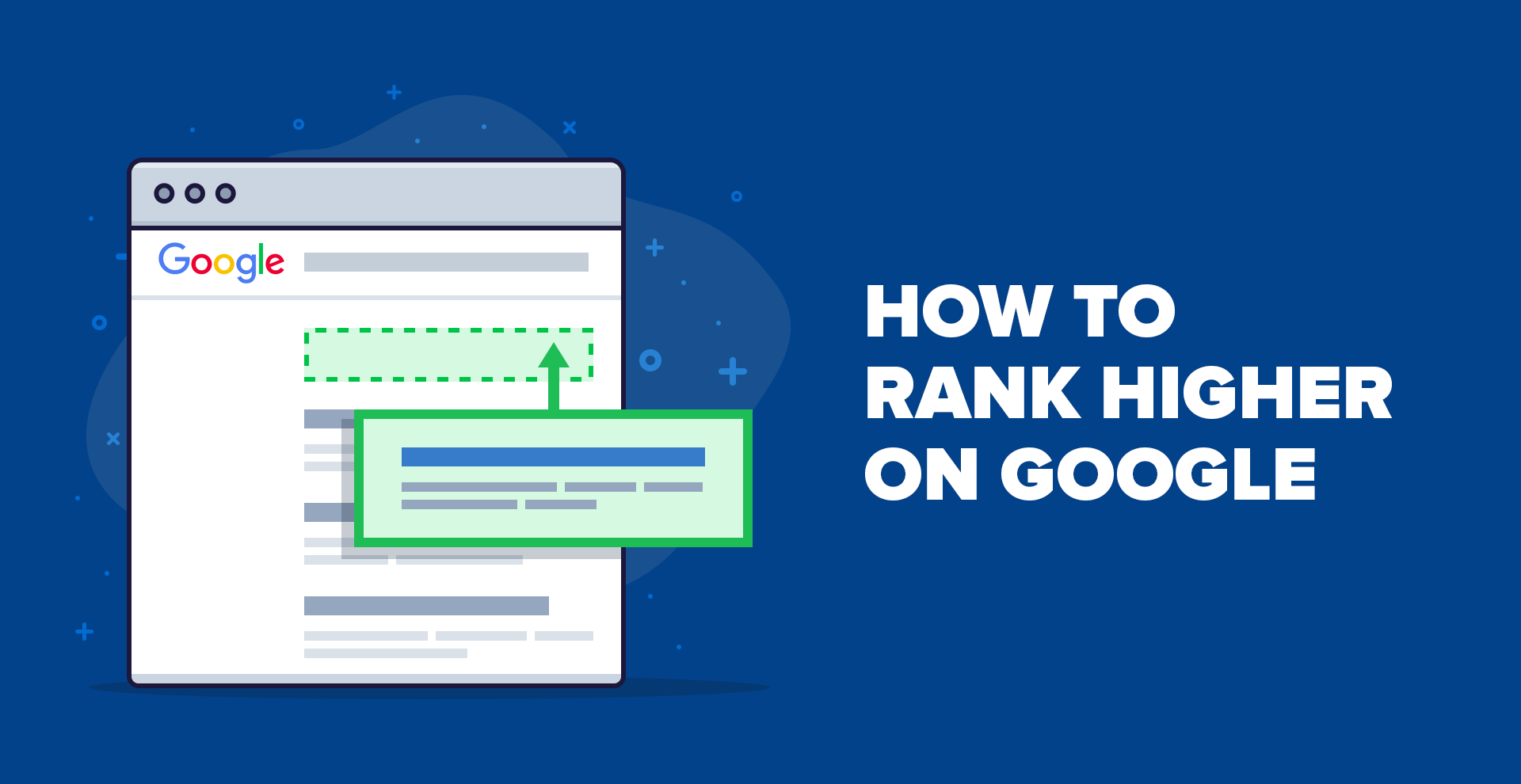
How to Rank Higher on Google

Firstly, the article recommends focusing on your website’s user experience by improving site speed, mobile responsiveness, and navigation to Rank Higher on Google. Secondly, creating high-quality, comprehensive content that provides value to readers and answers their search queries is also essential.

The article also suggests building backlinks from authoritative and relevant websites to increase your website’s credibility. Additionally, optimizing your website’s on-page elements, including title tags, meta descriptions, and header tags, can also improve your site’s search visibility.

Lastly, the article suggests leveraging Google My Business to increase local visibility and taking advantage of Google’s featured snippets by providing concise answers to common search queries.

By following these tips, website owners can improve their website’s visibility on Google and attract more organic traffic.

Choose a keyword

Choosing the right keyword is essential for any online content to rank well in search engines like Google. A keyword is a word or phrase that a user types into a search engine when looking for information. By selecting the right keyword, you can attract the right audience to your content and increase your website’s visibility.

The first step in choosing a keyword is to identify your target audience and understand their search behavior. You can use tools like Google Trends, Google Keyword Planner, or Ahrefs to research and analyze keywords that are relevant to your niche. These tools provide data on search volume, competition, and related keywords that can help you narrow down your choices.

Once you have a list of potential keywords, you should prioritize them based on relevance, search volume, and competition. It’s essential to choose a keyword that is relevant to your content and has a high search volume but low competition. Choosing a highly competitive keyword can make it difficult to rank, especially for new websites.

The next step is to optimize your content for your chosen keyword. This includes including the keyword in your title tag, meta description, and throughout your content. However, it’s important to avoid keyword stuffing, which can negatively impact your search rankings. Instead, focus on creating high-quality content that provides value to your audience and answers their search queries.

It’s also important to note that keywords are not the only factor that affects your search rankings. Google’s algorithm also considers factors like website speed, mobile-friendliness, backlinks, and user experience. Therefore, it’s crucial to focus on all aspects of your website’s SEO to achieve the best results.

In conclusion, choosing the right keyword is crucial for any online content to rank well in search engines. By conducting thorough research and optimization, you can attract the right audience to your content and improve your website’s visibility.

Match search intent

Match search intent is a term used in SEO to describe the practice of creating content that aligns with the user’s search intent. Search intent refers to the reason behind a user’s search query, such as informational, navigational, transactional, or commercial intent.

To match search intent, it’s essential to understand the user’s intent behind a particular search query. For example, if a user searches for “best vegan restaurants near me,” their intent is likely to find a list of vegan restaurants in their area. Therefore, a blog post about the benefits of veganism may not satisfy their search intent.

To create content that matches search intent, start by analyzing the search results for your target keyword. Look for patterns in the content, such as the type of content, length, and format. This can give you an idea of what the user is expecting to find when searching for that particular keyword.

Another way to match search intent is to analyze the language used by the user in their search query. Are they asking a question? Are they looking for a specific product or service? Understanding the language can help you create content that answers their search query and provides value to the user.

It’s also essential to consider the stage of the buyer’s journey that the user is in. For example, if the user is searching for “best running shoes,” they may be in the consideration stage and looking for product reviews and comparisons. Therefore, a blog post about the benefits of running may not be relevant to their search intent.

In conclusion, matching search intent is crucial for creating content that ranks well in search engines and provides value to the user. By understanding the user’s intent behind a search query and creating content that aligns with that intent, you can improve your website’s visibility and attract the right audience.

Cover the topic in full

“Match search intent” is a vital concept in the world of Search Engine Optimization (SEO). It refers to the practice of creating content that is aligned with the user’s search intent. In other words, it’s about understanding the reason behind a user’s search query and creating content that meets that need.

The first step in matching search intent is to understand the different types of search intent. There are four main types of search intent:

  1. Informational intent: Users are looking for information on a particular topic or subject.
  2. Navigational intent: Users are searching for a particular website or webpage.
  3. Transactional intent: Users are looking to make a purchase or take some other action.
  4. Commercial intent: Users are researching products or services to make an informed purchase decision.

Once you have identified the user’s search intent, you can begin creating content that matches that intent. The content should provide value to the user and answer their search query. For example, if a user is searching for “best running shoes,” they are likely in the consideration stage of the buyer’s journey and looking for product reviews and comparisons. Therefore, creating a blog post about the benefits of running may not satisfy their search intent.

To create content that matches search intent, start by analyzing the search results for your target keyword. Look for patterns in the content, such as the type of content, length, and format. This can give you an idea of what the user is expecting to find when searching for that particular keyword.

Another way to match search intent is to analyze the language used by the user in their search query. Are they asking a question? Are they looking for a specific product or service? Understanding the language can help you create content that answers their search query and provides value to the user.

It’s also essential to consider the user’s demographics and preferences. For example, if your target audience is predominantly millennials, your content should reflect their interests, language, and preferences.

Matching search intent is critical for creating content that ranks well in search engines and provides value to the user. By understanding the user’s intent behind a search query and creating content that aligns with that intent, you can improve your website’s visibility and attract the right audience. It’s essential to focus on all aspects of SEO, including keyword research, content optimization, and user experience, to achieve the best results.

Improve on-page SEO

On-page SEO refers to the optimization of individual web pages to improve their ranking in search engines and attract more organic traffic. Here are some tips to improve your on-page SEO:

  1. Optimize your page titles: Use descriptive and relevant titles that include your target keyword. Keep the title length between 50-60 characters.
  2. Write high-quality meta descriptions: Meta descriptions are the snippets that appear below the page title in search results. Write a compelling meta description that includes your target keyword and encourages users to click through to your website.
  3. Use heading tags: Use H1 tags for your main heading and H2 and H3 tags for subheadings. This helps search engines understand the structure of your content and improves user experience.
  4. Optimize your content: Use your target keyword throughout your content, but avoid keyword stuffing. Use related keywords and synonyms to make your content more natural and engaging.
  5. Use image alt tags: Use descriptive alt tags for your images that include your target keyword. This improves accessibility for visually impaired users and helps search engines understand the content of your images.
  6. Improve page speed: A fast-loading website improves user experience and ranking in search engines. Use tools like Google PageSpeed Insights to identify and fix speed issues on your website.
  7. Use internal linking: Internal linking helps search engines understand the structure of your website and improves user experience. Link to relevant pages on your website using descriptive anchor text.
  8. Ensure your website is mobile-friendly: A mobile-friendly website improves user experience and ranking in search engines. Use tools like Google’s Mobile-Friendly Test to check if your website is mobile-friendly.

In conclusion, on-page SEO is crucial for improving your website’s ranking in search engines and attracting organic traffic. By optimizing your page titles, meta descriptions, content, images, page speed, internal linking, and mobile-friendliness, you can improve your website’s visibility and attract the right audience. Remember to focus on creating high-quality content that provides value to the user and aligns with their search intent.

Add internal links

Internal linking is an important aspect of on-page SEO. Internal links are links from one page on your website to another page on the same website. They help search engines understand the structure of your website and improve user experience. Here are some tips for adding internal links:

  1. Use descriptive anchor text: Use descriptive and relevant anchor text for your internal links. The anchor text should include your target keyword and provide context for the linked page.
  2. Link to relevant pages: Internal links should be relevant to the content on the linked page. Linking to irrelevant pages can confuse search engines and users.
  3. Use a reasonable number of internal links: Use a reasonable number of internal links on each page. Too many internal links can make the page look spammy and confuse users.
  4. Link to older content: Link to older content on your website to give it a boost in search engine rankings. This also helps users discover older content that may still be relevant.
  5. Create a hierarchy of internal links: Create a hierarchy of internal links by linking to important pages more often. This helps search engines understand the importance of each page on your website.
  6. Use breadcrumb navigation: Use breadcrumb navigation to help users understand the structure of your website and navigate to relevant pages.

In conclusion, internal linking is an important aspect of on-page SEO. By using descriptive anchor text, linking to relevant pages, using a reasonable number of internal links, linking to older content, creating a hierarchy of internal links, and using breadcrumb navigation, you can improve your website’s visibility in search engines and provide a better user experience. Remember to focus on creating high-quality content that provides value to the user and aligns with their search intent.

Merge Similar Pages to Rank Higher on Google

Merging similar pages is a strategy that can help you rank higher on Google. Similar pages on your website can dilute your content and confuse search engines about which page to rank for a particular query. Here are some steps to merge similar pages:

  1. Identify similar pages: Review your website content and identify pages that are similar in terms of content, purpose, and target keywords.
  2. Analyze page performance: Analyze the performance of each page using tools like Google Analytics and Google Search Console. Look for pages with low traffic, high bounce rates, and low conversion rates.
  3. Combine content: Combine the content of the similar pages into one page. Choose the best-performing page as the main page and add the content of the other pages to it. Ensure that the content flows naturally and provides value to the user.
  4. Redirect old pages: Redirect the old pages to the new merged page using a 301 redirect. This tells search engines that the old page has permanently moved to the new page.
  5. Update internal links: Update internal links to the old pages to point to the new merged page. This helps search engines understand the new structure of your website.
  6. Update sitemap and robots.txt: Update your sitemap and robots.txt file to reflect the changes made to your website.

By merging similar pages, you can improve the quality and relevance of your content and consolidate your website’s authority on a particular topic. This can help you rank higher in search engines and attract more organic traffic. However, it is important to ensure that the content is merged naturally and provides value to the user. Avoid keyword stuffing or duplicating content as this can result in penalties from search engines.

Build more backlinks

Backlinks are a crucial factor in ranking higher on Google. They are links from other websites that point to your website. Google considers backlinks as a vote of confidence in your content, and the more high-quality backlinks you have, the higher your website is likely to rank. Here are some tips to build more backlinks:

  1. Create high-quality content: Create high-quality content that provides value to the user and is relevant to your target audience. When you create content that people find useful, they are more likely to link to it.
  2. Guest blogging: Write guest blog posts for other websites in your niche. This provides an opportunity to link back to your website and establish yourself as an authority in your field.
  3. Broken link building: Find broken links on other websites in your niche and offer to replace them with links to your website’s relevant content. This provides value to the website owner and helps you build backlinks.
  4. Use social media: Share your content on social media platforms to increase visibility and attract more backlinks. When people find your content useful, they are more likely to link to it.
  5. Get listed in directories: Get listed in relevant directories like business directories, industry directories, and local directories. This provides a valuable backlink and helps increase your website’s visibility.
  6. Build relationships with influencers: Build relationships with influencers in your industry and collaborate with them to create content. This provides an opportunity to reach a wider audience and attract more backlinks.

Remember to focus on building high-quality backlinks from authoritative websites. Avoid low-quality backlinks from spammy websites, as they can harm your website’s reputation and lead to penalties from Google. By following these tips, you can build more backlinks and improve yourwebsite’s visibility in search engines.

Track Rankings

Tracking your website’s rankings is essential to understanding how well your SEO efforts are performing. It can help you identify areas where you need to improve and track progress over time. Here are some tips for tracking your website’s rankings:

  1. Use a ranking tracking tool: Use a tool like Ahrefs, SEMrush, or Moz to track your website’s rankings. These tools provide detailed reports on your website’s rankings for specific keywords and can help you identify areas where you need to improve.
  2. Choose relevant keywords: Choose relevant keywords to track that are relevant to your business and target audience. Use tools like Google Keyword Planner to identify keywords with high search volume and low competition.
  3. Monitor changes: Monitor changes in your website’s rankings over time. This can help you identify trends and patterns that can help you improve your SEO strategy.
  4. Analyze competitors: Analyze your competitors’ rankings for the same keywords to understand how they are performing and identify areas where you can improve.
  5. Track local rankings: If your business has a local presence, track your local rankings in addition to your national or global rankings. This can help you understand how well you are performing in your local market.
  6. Set goals: Set goals for your website’s rankings and track progress towards those goals. This can help you stay focused and motivated to improve your website’s rankings over time.

Remember that tracking rankings is just one part of an effective SEO strategy. It’s important to also focus on other factors like on-page optimization, building quality backlinks, and providing high-quality content to improve your website’s rankings over time.

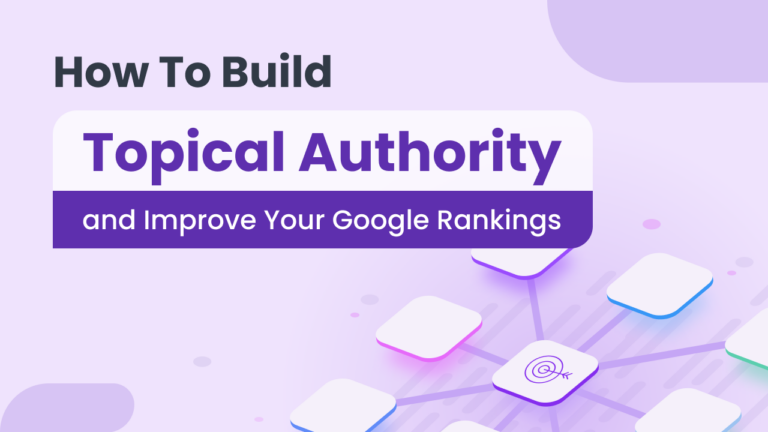
Topical Authority: Why It Matters for SEO and How to Build It

The article starts by defining topical authority as the level of expertise and credibility a website has in a specific topic or niche. It explains that search engines use topical authority as a ranking factor, meaning that websites with higher topical authority are more likely to appear at the top of search results for related queries.

The article then goes on to explain the importance of building topical authority for SEO success. It suggests that building topical authority can lead to more organic traffic, higher search engine rankings, and increased visibility and brand awareness.

To build topical authority, the article provides several tips, such as creating high-quality content that provides value to readers, using keywords and phrases relevant to the topic, and building backlinks from reputable sources. It also emphasizes the importance of staying up-to-date with the latest trends and changes in the industry, and consistently creating and promoting relevant content.

What Is Topical Authority?

Topical authority is a term used in the field of Search Engine Optimization (SEO) that refers to the level of expertise, credibility, and relevance a website has in a specific topic or niche. It is based on the idea that search engines tend to favor websites that are considered to be authorities in a particular subject area. A website that has high topical authority is more likely to rank well in search engine results pages for related queries, attracting more organic traffic, and providing greater visibility and recognition within its target audience. Building topical authority involves creating high-quality content that provides value to readers, using relevant keywords and phrases, and obtaining backlinks from other reputable sources within the same industry or niche.

To further explain, topical authority is not just about having a large volume of content on a specific topic. It’s also about the quality of that content and how it’s presented. Search engines are looking for content that is well-researched, well-written, and provides valuable information to users. Websites that consistently produce high-quality content on a particular topic and engage with their audience tend to build topical authority over time.

In addition to content, other factors that can contribute to topical authority include the website’s age, domain authority, and reputation within its industry or niche. Websites that have been around for a long time and have a strong reputation within their niche are more likely to be considered authorities on that topic by search engines and users alike.

Overall, building topical authority requires a combination of factors, including creating high-quality content, using relevant keywords, obtaining backlinks from reputable sources, and establishing a strong reputation within your industry or niche. By building topical authority, a website can improve its SEO performance and attract more organic traffic, leading to greater visibility and success online.

Why Is Topical Authority Important For SEO?

Topical authority is important for SEO because search engines like Google are always trying to deliver the most relevant and valuable results to their users. By assessing a website’s topical authority, search engines can determine how authoritative and trustworthy the content on that site is in relation to a specific topic or niche.

Websites with higher topical authority are more likely to rank higher in search engine results pages (SERPs) for related queries. This is because search engines consider them to be more credible and authoritative sources of information, and therefore more likely to provide value to their users.

By building topical authority, a website can attract more organic traffic from search engines, which can lead to increased visibility, brand awareness, and even conversions. Additionally, building topical authority can help a website establish a stronger reputation within its industry or niche, leading to increased credibility and trust among its target audience.

Overall, topical authority is an important factor in SEO because it helps search engines determine the relevance and credibility of a website’s content, and ultimately helps websites attract more organic traffic and achieve greater success online.

How Does Topical Authority Work?

Topical authority works by signaling to search engines that a website is an expert in a particular subject area. Search engines like Google use algorithms to assess the quality and relevance of web pages to specific search queries. They evaluate various factors, including content quality, relevance, and popularity, to determine which pages should appear at the top of the search results.

Topical authority is one of the factors that search engines use to assess the quality and relevance of a web page. When a website consistently publishes high-quality content on a specific topic and obtains backlinks from reputable sources within the same industry or niche, it signals to search engines that it is an authoritative source of information in that particular subject area.

As a result, search engines are more likely to prioritize that website’s content in their search results for relevant queries. This can lead to increased visibility, traffic, and engagement for the website, which can help it establish a stronger reputation and achieve greater success online.

To build topical authority, a website needs to consistently produce high-quality content that provides value to its readers, use relevant keywords and phrases, and obtain backlinks from other authoritative websites. By doing so, the website can demonstrate its expertise and credibility in its chosen subject area and attract more organic traffic from search engines over time.

How To Measure Topical Authority

Measuring topical authority is not an exact science, as search engines like Google do not provide a specific metric or score for it. However, there are several methods that can be used to assess a website’s topical authority:

    Keyword Rankings: Check the website’s ranking for relevant keywords and phrases related to the topic or niche. Websites that consistently rank well for specific keywords and phrases are likely to have higher topical authority in that particular subject area.

    Backlink Profile: Analyze the website’s backlink profile, including the number, quality, and relevance of the backlinks it has obtained from other authoritative websites. A website that has many high-quality backlinks from reputable sources within the same industry or niche is likely to have higher topical authority.

    Content Quality: Evaluate the quality of the website’s content, including the depth and relevance of the information it provides, how well it is researched and written, and how well it engages with its audience. Websites that consistently produce high-quality content on a specific topic are likely to have higher topical authority.

    Social Media Engagement: Assess the website’s social media presence and engagement, including the number of followers, likes, shares, and comments it receives on its posts. A website with a strong social media presence and engagement is likely to have higher topical authority within its industry or niche.

    Domain Age and Authority: Consider the age and authority of the website’s domain. Older websites that have a strong reputation within their industry or niche are more likely to have higher topical authority in that area.

Overall, measuring topical authority requires a combination of factors, including keyword rankings, backlink profile, content quality, social media engagement, and domain age and authority. By assessing these factors, you can get a good idea of a website’s topical authority and how it ranks within its industry or niche.

How to build topical authority in four steps:

Here are four steps to help build topical authority:

    Choose a specific topic or niche: Select a specific topic or niche that is relevant to your business or area of expertise. It is important to focus on a narrow subject area rather than trying to cover too many topics, as this can dilute your authority and make it harder to build a strong reputation.

    Create high-quality content: Produce high-quality content on your chosen topic or niche, including blog posts, articles, videos, and other types of media. Your content should be well-researched, informative, and engaging, and should provide real value to your audience. Make sure to use relevant keywords and phrases to optimize your content for search engines.

    Build a strong backlink profile: Obtain backlinks from other authoritative websites within your industry or niche. These backlinks should be relevant and high-quality, and should come from reputable sources that are recognized as experts in their respective fields. This can help signal to search engines that your website is an authoritative source of information within your subject area.

    Engage with your audience: Engage with your audience by responding to comments, answering questions, and participating in relevant online communities and forums. This can help establish you as an expert in your field and build trust and credibility with your audience.

Overall, building topical authority takes time and effort, but by following these four steps, you can establish yourself or your business as an authoritative source of information within your chosen subject area, attract more organic traffic from search engines, and achieve greater success online.

Topical authority FAQs

Here are some frequently asked questions about topical authority:

Q: Can a website have topical authority in multiple subject areas?

A: Yes, a website can have topical authority in multiple subject areas, but it is important to focus on a narrow subject area within each topic or niche to avoid diluting your authority.

Q: How long does it take to build topical authority?

A: Building topical authority takes time and effort, and there is no set timeline for how long it takes. It depends on factors such as the quality and relevance of your content, the strength of your backlink profile, and your engagement with your audience.

Q: How do I know if my website has topical authority?

A: You can measure your website’s topical authority by assessing factors such as keyword rankings, backlink profile, content quality, social media engagement, and domain age and authority.

Q: Can topical authority improve my search engine rankings?

A: Yes, topical authority is one of the factors that search engines use to evaluate the relevance and quality of a website’s content, and it can help improve your search engine rankings for relevant keywords and phrases.

Q: Can I build topical authority without backlinks?

A: Backlinks are an important factor in building topical authority, but they are not the only factor. Producing high-quality content, engaging with your audience, and establishing yourself as an expert in your field can also help build topical authority over time.

Q: Is topical authority the same as domain authority?

A: No, topical authority and domain authority are not the same. Topical authority refers to a website’s authority within a specific subject area or niche, while domain authority is a general measure of a website’s overall authority and credibility.

Overall, the article provides valuable insights into the concept of topical authority and how it can help improve a website’s SEO performance.