Half of what passes for SEO wisdom expired years ago. We sort the surviving myths from the evidence, so your budget follows results instead of folklore.
Keyword Stuffing and Other Zombie Tactics
Keyword stuffing is the tactic that will not die, despite being dead for over a decade. The belief survives because it once worked, and because stuffing is visible everywhere you look — pages repeating 'best digital marketing company in Chandigarh' fourteen times in a footer still exist. Google's systems have long since learned to read like people: pages that repeat a phrase unnaturally read as spam, and modern ranking systems weigh topical coverage and natural language far above raw repetition.
The modern replacement for stuffing is coverage. A page that answers the question thoroughly naturally uses the words searchers use — synonyms, related questions, specific detail — and that breadth is what algorithms reward. Write for the reader who will judge whether you helped them, and the keyword handling takes care of itself. The quickest audit of your own site: read a page aloud. If it sounds like a robot, Google probably filed it as one.
Meta Descriptions, Page Counts and the Setup Fallacy
Three related myths come from misreading how search works. Meta descriptions are not a direct ranking factor — Google generates its own snippet more often than not — yet the myth persists because descriptions change click-through rates, and clicks matter. Likewise, publishing more pages does not raise rankings; publishing better coverage does. A hundred thin posts dilute a site's crawl budget and topical clarity, while twelve deep, genuinely useful pages can dominate a niche.
The most expensive myth of the three is that SEO is a one-time setup. Titles, tags and speed matter, but search is a moving target: competitors publish, algorithms update, intent shifts, links decay. A site optimised in 2021 and untouched since is quietly losing ground every quarter. Think of SEO like fitness — a programme that produces results only as long as you keep training, with maintenance costing far less than the original push.
Links, Domain Authority and Social Signals
'Links are dead' gets declared every year and refuted every year. What died is the link farm, the paid directory blast and the comment spam — not the link. Independent sites citing yours as a source remains one of the strongest trust signals available, which is why digital PR and genuinely linkable assets still anchor serious campaigns. Evidence from every credible study of ranking correlates points the same direction. The tactics changed; the currency did not.
Domain authority deserves a precise correction: it is a vendor metric, invented by an SEO software company, not a number Google computes or publishes. Useful as a rough comparison of link strength, it becomes harmful when chased directly — buying links on high-DA sites regardless of relevance is how penalties happen. Social signals sit in similar territory: shares do not directly rank pages, but the visibility they create earns links and brand searches, which do.
SEO versus Google Ads: A False Choice
The either/or framing — should we do SEO or Google Ads — presents a trade-off that does not exist. Ads buy position instantly and stop the moment spending stops; SEO builds an asset that compounds and keeps paying after the work pauses. They are different instruments for different jobs: ads for launches, testing and capturing demand today; SEO for lowering blended acquisition costs over years. Mature marketing budgets run both, deliberately.
They also feed each other. Paid campaigns reveal which headlines and offers convert before you invest months writing organic pages around them. Search data from ads validates keywords before content commits. And pages ranking organically can retarget visitors ads alone would never see twice. Choosing one and calling it strategy is like eating half a meal — you pay full price for partial nutrition.
The Set-and-Forget Agency Problem
A quieter myth is institutional: that SEO can be outsourced completely and reviewed annually. Campaigns drift when nobody on the client side looks between quarterly reviews — content misses briefs, technical fixes stall in development queues, link reports describe work nobody can verify. The agencies that sustain results build checkpoints into the month, and the clients who sustain results assign one person who actually reads the reports.
Ask a prospective partner how decisions get made between reviews, what happens when a fix needs developer time, and who flags a ranking drop before you notice it. Vague answers predict a set-and-forget relationship. We ask our own clients to stay involved for the same reason a gym asks members to show up — the programme works only when both sides keep their appointments.
Vanity Metrics versus Revenue Reporting
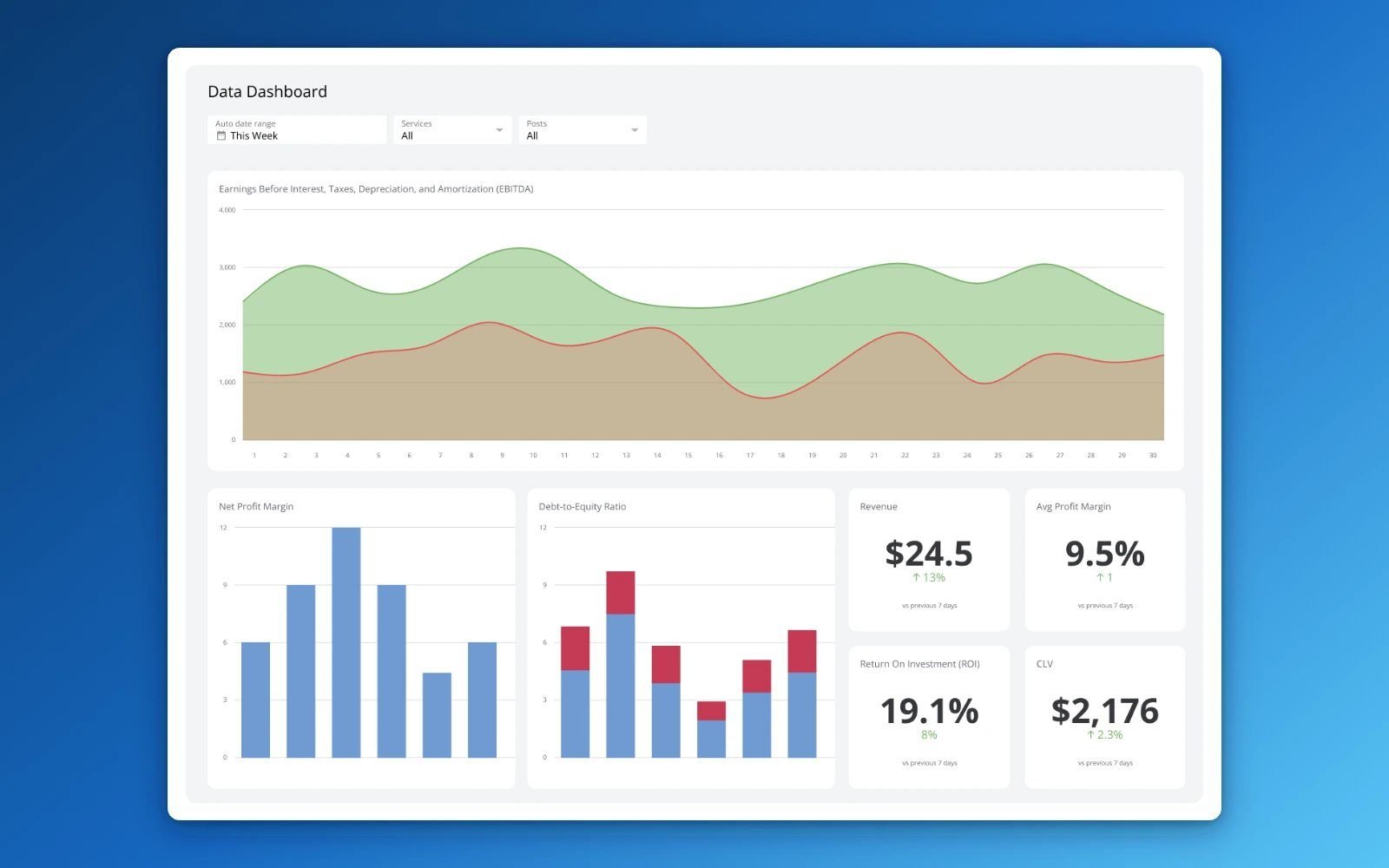
The myths so far are technical; the last one is financial. Impressions, sessions and keyword counts make dashboards look healthy while telling you nothing about the business. Ten thousand visits from the wrong country, reading the wrong page, is worth less than two hundred visits from buyers ready to enquire. Any reporting that cannot connect search activity to leads, calls or sales is describing weather, not progress. Ask what each metric changed this month; if the answer is silence, cut it.
The corrective is simple to demand and rare to receive: reporting in enquiries and revenue, segmented by the keywords and pages that produced them. Since 2013, our reporting has led with enquiries and revenue rather than activity totals — not because the numbers always flatter us, but because honest numbers let both sides make good decisions. That is the standard to hold any SEO partner to, including us.
How to Test What You Believe
Every myth in this article dies the same way: against your own data. Search Console shows which queries bring impressions, so test whether pages targeting them actually earn clicks. Change one meta description and watch the click-through rate for thirty days. Compare the rankings of your twelve best pages against your hundred thinnest. Beliefs cost nothing until they direct budget; tested beliefs are the cheapest advantage in marketing.
Want This Done for Your Business?
Topseoservices implements everything in this article — and reports results in leads and revenue, not vanity metrics. Start with a free 30-minute strategy call, then a 7-day free trial with no advance payment.