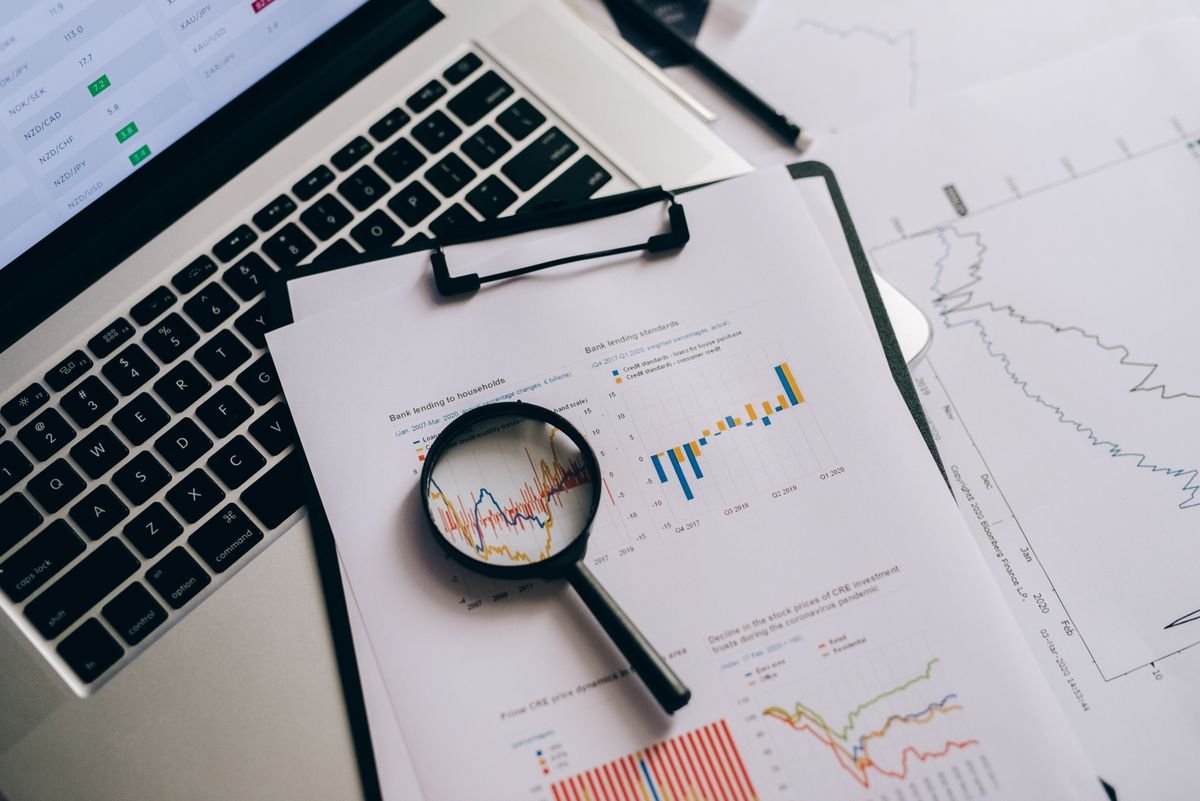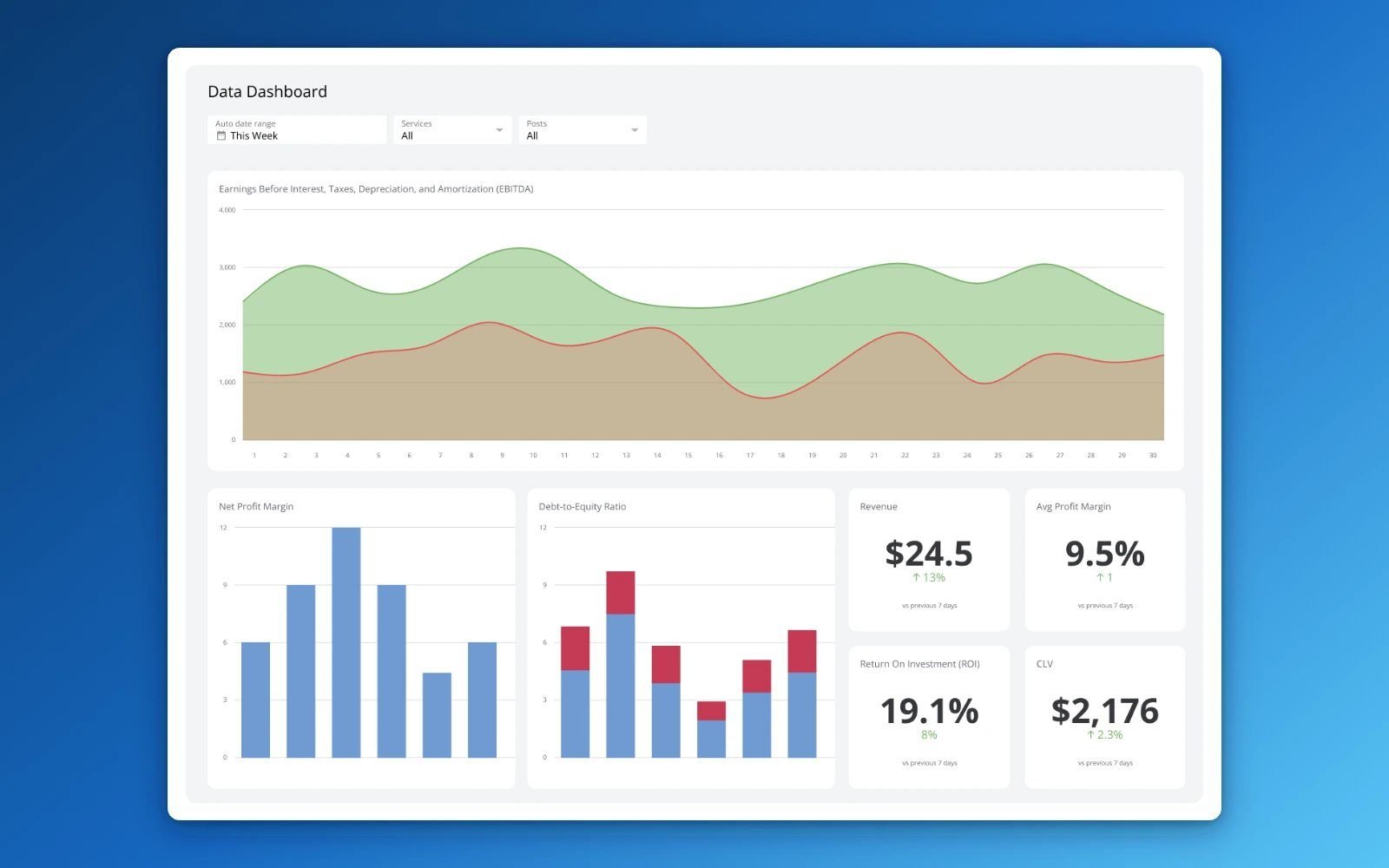
Event SEO works in three phases: the event page and listings before, live coverage during, then recaps, speaker content and link reclamation afterwards.
Events need a plan built around three phases
Event searches behave differently from ordinary commercial searches: interest spikes hard, then collapses after the date passes. People search the event's name with a city and year, search for agendas and speaker line-ups, search for things to do around the venue, and search afterwards for slides and recordings. A plan that treats the event as a single homepage misses all three waves. Thinking in phases, before, during and after, matches each page and content type to what searchers want at that moment.
The economics reward the effort. An event page is one of the few assets that can earn links from speakers, partners, press listings and attendees within weeks, all pointing at a URL you control. If the event recurs, the domain accumulates a history that makes next year's page easier to rank. Treat each edition as an asset with a maintenance plan rather than a campaign with an end date, and the compounding starts working in your favour from the second year onwards.
Before: the event page does the heavy lifting
Every event deserves its own URL on your domain, not a ticketing-platform page and not a PDF flyer. Put the event name, city and date in the title and headline; state what, where, when, who is speaking and how to register above the fold; add the agenda, venue details with a map, pricing, and a short FAQ answering the questions your inbox fields every year. Keep the page fast and mobile-sound, because most attendees will open it on a phone from a link somebody sent them.
Mark the page up with Event structured data so engines can surface it as a rich result with the date and location attached; the essential fields are the event name, start and end dates and the venue or online link, and free testing tools will confirm the markup is valid. Then build a registration path that does not bounce people through five screens, because registrations are the conversion this page exists to earn, and every added step costs a measurable share of them.
Before: listings, partners and speaker amplification
Citations and links gathered before the event do double duty: they help the page rank for event-name searches and they sell tickets directly. Start this at least eight weeks out, because listings and calendars index slowly. Submit the event to the calendars and listing sites your industry actually reads, to city guides covering the venue's city, and to the ticketing platforms your audience already checks. Ask partners and sponsors for a link from their events or news pages, a request that succeeds far more often when the event benefits their audience visibly.
Speakers are the most underused link source in event marketing. Publish a proper page for each speaker with a biography, their session and a photograph, announce their participation on your own channels, and make the pages easy to share, because many speakers will link to them from their own site or company news section without prompting, and their profiles carry real authority. A short press note to trade media covering the line-up adds a few more referring domains before the doors open.
During: coverage that search engines can use
Live coverage earns attention at the moment interest peaks. A live blog or rolling session summaries give remote audiences a reason to visit your site rather than only social feeds; quote speakers accurately, name their companies, and publish each session write-up within hours. Encourage attendees to post with the event hashtag and location tag, and point the venue screens and Wi-Fi login page at the coverage, because small prompts lift participation noticeably, and every tagged post is material you can cite or embed later.
The during phase is mostly material gathering for the after phase. Record sessions where permitted, photograph rooms and crowds, save the live-blog notes and collect the social posts worth embedding. Note every journalist, blogger and newsletter that covered the event as it happened, with URLs, because that list becomes your reclamation and outreach roster afterwards. Coverage published during the event also gets crawled and indexed early, which helps the recap pages rank quickly once interest returns after the doors close.
After: recaps and speaker content
Publish the official recap within two or three days, while attendees are still posting and journalists are still writing: headline takeaways, the best quotes, photo galleries, slides where speakers permit, and links to every session write-up. Then mine the raw material, a full interview article per notable speaker, clip videos with transcripts, a data story if you surveyed attendees. Each piece gives a different site something to link to, and speaker interviews in particular get shared by the speaker's own network within days.
Convert the event page into a permanent past-editions page rather than deleting or blanking it: keep the agenda, speakers, photographs and a short outcomes summary, dated clearly. These pages keep earning links year after year, because people writing about last year's edition need something to cite, and they pass authority to next year's edition through internal links. When the new edition's page launches, link the two explicitly in both directions, so previous attendees find it through a path that already trusts you.
After: reclaim links and measure honestly
Link reclamation is the quiet win of post-event work. Search for the event name and speaker names to find articles, round-ups and social posts that mention the event without linking; a short, polite request with the right URL converts a surprising share of them. Check speaker and partner sites for unlinked mentions, and ask for links pointed at the recap rather than the expired registration page. Redirect any broken inbound links to earlier editions so their equity survives the redesign.
Measure across the whole cycle: registrations attributed to organic search, branded search volume around the event name before and after, referring domains earned and kept, and the traffic history the past-editions pages accumulate. Few marketing activities generate natural links at this rate, which is why the discipline pays. If you would rather hand the whole cycle to specialists, Topseoservices has run event and content campaigns since 2013; during the seven-day free trial we start by auditing the assets your last event left behind, then plan the next one around those gaps.
Want This Done for Your Business?
Topseoservices implements everything in this article — and reports results in leads and revenue, not vanity metrics. Start with a free 30-minute strategy call, then a 7-day free trial with no advance payment.